Investors are waiting to see ground-level changes: Richard Rekhy
Interview with Chief executive officer, KPMG India
Arindam Majumder Kolkata Richard Rekhy, chief executive officer of consultancy firm KPMG India, tells Arindam Majumder a lower tax rate in goods and services tax is good for the country, as compliance will improve. International investors, Rekhy says, are waiting to see some ground-level changes before putting in the dollars. Edited excerpts:
In the context of the Goods and Services Tax (GST) Bill, how should economic reforms be balanced with the politics of popular democracy? The issue has taken a political overturn. Every country that has installed a uniform tax rate faced problems in the initial days. Usually, the rates are higher and cost of consumption goes up. For India, the advantage will be that GST will widen the tax base, as it will give input credit. It will push the gross domestic product up. Secondly, it will bring a lot of efficiency. Business people will start focusing on how to increase productivity. The amount of time that trucks waste at the state borders need to be reduced drastically. It will be a huge step if that goes away with a common tax rate.
What should be the legitimate GST tax rate? A lower tax rate is always good. Since the tax base will be widened, the government will earn more. During the economic downturn, excise rate was brought down from 14 per cent to 10 per cent. As a result, the collection went all-time high. When you have lower rate, compliance improves. After all the discussions, I presume the tax rate will not be high. Ideally, it should be around 20 per cent. It can be further reduced slowly.
You advise foreign investors on investing in India. With so many crucial reforms stuck, what are their thoughts on India? International investors have a lot of hope in India. Modi is seen as a decisive leader globally. What they are waiting for is some ground-level change. Policy talks about the ease of doing business need to be implemented on the ground now.
What are the challenges? The challenge we have today is that demand has softened. Exports have gone down due to weakening of global economy. The government can induce consumption by releasing large infrastructure projects. But, the large projects need time to show result.
We have to concentrate on the rural sector. After two bad monsoons, agricultural sector can’t take another bad monsoon. Take the money that you are saving in oil and pump it into infrastructure.
Another thing is increasing skilled labour. Companies should start paying premium for the skilled labour. And, the government should have an affirmative action for the companies that employ skilled labour. The incentives can come in the form of more government contracts. Currently, India’s unemployment rate is about two-three per cent and that of the industrial technology institutes is 15 per cent. It is disproportionate. There should be a greater interface between the academic institutions and the industry.
What are KPMG’s plans for India? At present, we have around 10,000 people across 12 offices. We aim to hire 5,000 people and open four or five more offices in the next four years. We are also considering the hub-and-spoke model. Hence, open various small offices across a large office.

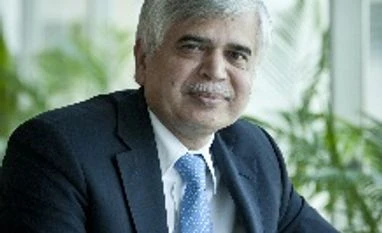 "Investors are waiting to see ground-level changes: Richard Rekhy")


