Associate Sponsors

Ministries, regulators can decide fate of FDI proposals: Sitharaman

FIPB processes proposals for foreign direct investments in India
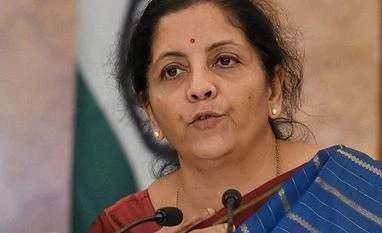
Commerce and Industry Minister Nirmala Sitharaman. Photo: PTI
Subhayan Chakraborty New Delhi
Last Updated : Feb 07 2017 | 1:15 AM IST
With the government having decided to abolish the Foreign Investment Promotion Board (FIPB), foreign investment proposals might now be directly considered by the ministries concerned and regulatory bodies.

An inter-ministerial body under the finance ministry, FIPB processes proposals for foreign direct investments (FDI) in India.

Speaking to reporters, Commerce and Industry Minister Nirmala Sitharaman on Monday said of the six-seven per cent of the sectors not covered under the automatic route, every department has a departmental framework or a regulator for it.

“If there is a regulator for the department concerned, that is sufficient to take care of investment proposals which are coming in,” Sitharaman added. 

While FIPB had the final say in approving FDI proposals in the country for long, its power has been systematically reduced by the current government. Most notably, in June 2016, the government had announced relaxed FDI norms in a large number of sectors including single-brand retail, pharmaceuticals, animal husbandry and food products. However, while more than 90 per cent of all sectors are currently allowed under the automatic route, full or partial investments in sectors considered sensitive by the government like defence, media and broadcasting, aviation and telecom need FIPB approval.

According to current practice, the finance minister considers the recommendations of FIPB on proposals of foreign equity of Rs 5,000 crore and below. The proposals of more than Rs 5,000 crore are placed before the Cabinet Committee on Economic Affairs (CCEA).

The CCEA would continue to decide on important matters, a senior government official said. Incoming FDI grew 27 per cent in the first seven months of the financial year to $27.82 billion, from $21.87 billion a year ago. Manufacturing accounted for 41.5 per cent of the equity inflows into the country during April-October, according to the Department of Industrial Policy and Promotion (DIPP). Net FDI inflows in proportion to gross domestic product have risen sharply after the current government took office, but it is still 1.7 per cent, compared to 2.8 per cent in China or 4.9 per cent in the case of Vietnam — the highest among major developing countries.


One subscription. Two world-class reads.

Already subscribed? Log in

Subscribe to read the full story →
*Subscribe to Business Standard digital and get complimentary access to The New York Times

Smart Quarterly

₹900

3 Months

₹300/Month

SAVE 25%

Smart Essential

₹2,700

1 Year

₹225/Month

SAVE 46%
*Complimentary New York Times access for the 2nd year will be given after 12 months

Super Saver

₹3,900

2 Years

₹162/Month

Subscribe

Renews automatically, cancel anytime

Here’s what’s included in our digital subscription plans

Exclusive premium stories online

  • Over 30 premium stories daily, handpicked by our editors

Complimentary Access to The New York Times

  • News, Games, Cooking, Audio, Wirecutter & The Athletic

Business Standard Epaper

  • Digital replica of our daily newspaper — with options to read, save, and share

Curated Newsletters

  • Insights on markets, finance, politics, tech, and more delivered to your inbox

Market Analysis & Investment Insights

  • In-depth market analysis & insights with access to The Smart Investor

Archives

  • Repository of articles and publications dating back to 1997

Ad-free Reading

  • Uninterrupted reading experience with no advertisements

Seamless Access Across All Devices

  • Access Business Standard across devices — mobile, tablet, or PC, via web or app

Next Story



