New RBI norms kick in today, may hit 50% recurring payments

Tt would take at least three months for the entire payments system to start working smoothly, say companies and banks.
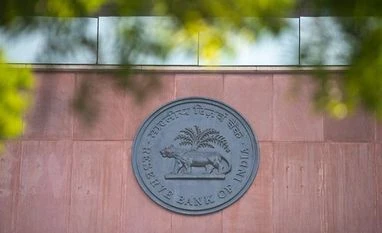
RBI, Reserve Bank of India
Photo: Shutterstock
Shivani ShindePeerzada AbrarSubrata Panda Mumbai/Bengaluru/New Delhi
4 min read Last Updated : Oct 01 2021 | 2:56 PM IST
Industry players across payments, merchants and banking ecosystem fear that 50 to 60 per cent recurring transactions may fail on October 1 as the Reserve Bank of India's changes on recurring payments kick in. Even as several banks sent out messages to customers announcing the new rules, industry sources indicated that extension of the timeline could prevent a likely disruption in business.    

If RBI does not give an extension, it would take at least three months for the entire payments system to start working smoothly, several company and bank executives told Business Standard. 

“India could experience lakhs of transactions getting declined, resulting in a financial mess in the short term as well as impacting the delivery of goods and services,” said one of the executives.

Standing instructions too would be affected, an official pointed out. All existing standing instructions will fail and customers would have to manually make payments, he added. It is not a one-time, short-term issue, according to people in the know.  

While banks are scrambling to comply with the guidelines, much of the work has to be  done by merchants and card networks. According to HDFC Bank, among merchants, Amazon-Prime, Netflix, Max Life Insurance, Google India, Hotstar, Policybazaar, Facebook, and Bajaj Allianz General Insurance are currently live with them for merchant standing instructions on HDFC Bank debit and credit cards. Also, among card companies, only VISA cards are enabled for registering merchant standing instructions as per RBI guidelines. Merchant standing instructions on MasterCard, Diners and Rupay would follow.

Industry sources said there would be some failed transactions, impacting customers. New customer SI (standing instructions) registrations could also face delays.

However, some companies are optimistic. Shashank Kumar, chief technology officer and co-founder of fintech unicorn Razorpay, said the RBI guidelines on recurring payments were a step towards making digital payments safe and secure. “These measures will act as a catalyst in re-emphasizing the need for a secure system that can enable consumers to place their trust in digital economy,” said Kumar. “Moreover, this will serve as a boost to the burgeoning subscription economy in the country, across sectors, while protecting them against financial fraud.”

To date, recurring payments have largely been mandated on credit cards while debit cards were not as widely used. Kumar said the new guidelines would bring much-needed regulatory clarity on having debit cards support recurring payments. “Industry synergies between banks and fintech companies as a result of this new mandate will help enable recurring payments for over 900 million debit cardholders in India.”

As for procedure, common industry-wide platform has been developed by banks and payments players and most banks have completed the internal development and integration.

“PayU is working with merchants and issuers to make sure that the transfer is hassle- free,’’ said Manas Mishra, chief product office, PayU. All payment players are at different levels of readiness, Mishra pointed out.

Almost all the top banks including HDFC Bank, Kotak Mahindra Bank, Axis Bank, State Bank of India and ICICI Bank have said they would comply with RBI guidelines. RBI had earlier extended the deadline as stakeholders were not ready. “Any further delay in ensuring complete adherence to the framework beyond the extended timeline will attract stringent supervisory action,” RBI had warned banks.  

In their communication to customers, banks have said that effective October 1, processing of e-mandate on cards for recurring transactions would require additional factor of authentication (AFA) to be performed for e-mandate registration, first transaction, modification, or deletion. AFA is required for subsequent recurring transactions subject to certain prescribed conditions. Any recurring transactions (domestic or cross-border) for existing or new e-mandates not compliant with regulatory regulations would be declined.

This RBI directive will be applicable to all recurring payments which were earlier debited automatically from customers’ cards and accounts for payments towards utilities and online purchases as well as subscription/renewal for services such as OTT streaming platforms.

“Earlier, consumers used to complete their transactions at multiple consumption points for e-commerce or food ordering services. But now,  payment transactions pertaining to recurring payments using cards, will have to be routed through the issuer bank. While this may seem a little inconvenient from the consumer perspective, it is a welcome move by the regulator and is in the interest of the consumers," said Anand Kumar Bajaj, managing director and chief executive officer of PayNearby.

Meanwhile, business alternatives are emerging to maintain business continuity. For instance, with the autopay feature of UPI (unified payments interface) allowing customers to enable recurring e-mandate for payments, many merchants have signed up on the platform, one of the executives pointed out.  

(With inputs from Neha Alawadhi)

One subscription. Two world-class reads.

Already subscribed? Log in

Subscribe to read the full story →
*Subscribe to Business Standard digital and get complimentary access to The New York Times

Smart Quarterly

₹900

3 Months

₹300/Month

SAVE 25%

Smart Essential

₹2,700

1 Year

₹225/Month

SAVE 46%
*Complimentary New York Times access for the 2nd year will be given after 12 months

Super Saver

₹3,900

2 Years

₹162/Month

Subscribe

Renews automatically, cancel anytime

Here’s what’s included in our digital subscription plans

Exclusive premium stories online

  • Over 30 premium stories daily, handpicked by our editors

Complimentary Access to The New York Times

  • News, Games, Cooking, Audio, Wirecutter & The Athletic

Business Standard Epaper

  • Digital replica of our daily newspaper — with options to read, save, and share

Curated Newsletters

  • Insights on markets, finance, politics, tech, and more delivered to your inbox

Market Analysis & Investment Insights

  • In-depth market analysis & insights with access to The Smart Investor

Archives

  • Repository of articles and publications dating back to 1997

Ad-free Reading

  • Uninterrupted reading experience with no advertisements

Seamless Access Across All Devices

  • Access Business Standard across devices — mobile, tablet, or PC, via web or app

Topics :Reserve Bank of IndiaRecurring depositpaymentsBanking sector

Next Story



