RBI approved Modi's note ban bid hours before announcement
Central bank won't reveal how it prepared for currency crunch
Anirban Nag Mumbai The board of the Reserve Bank of India (RBI) approved the move to ban high-denomination notes less than three hours before Prime Minister Narendra Modi announced the decision in a televised address to the nation.
Information on how many members favoured or opposed the move isn’t “on record,” RBI said in response to queries from Bloomberg News under the Right to Information Act.
Power minister Piyush Goyal had told lawmakers on November 16, that it was the authority’s 10-member board that came up with the idea.
Modi’s surprise November 8 decision to withdraw 86 per cent of bank notes in circulation has squelched demand for goods and services in Asia’s third-largest economy, where cash dominates transactions. The central bank has been criticised for a lack of preparedness and numerous policy U-turns that contributed to the ensuing chaos. Questions have also been raised about RBI’s independence and communication policy under the leadership of RBI Governor Urjit Patel.
The decision to withdraw the legal tender character of the Rs 500 and Rs 1,000 currency notes to the central government was taken at 5:30pm on November 8, at a board meeting, RBI said in its responses.
The bank’s board consists of governor Patel, his three deputies — R Gandhi, S S Mundra and N S Vishwanathan — along with a host of eminent personalities, including the economic affairs secretary Shaktikanta Das.
It remains unclear what kind of preparations RBI made for the currency ban that caused chaos across India: it did not respond to queries on how many new Rs 2,000 and Rs 500 notes were being printed each day in its mints or the number of hours each day the printing presses were working in the month leading up to the November 8 announcement.
Nearly 50 days after the decision, there is still a shortage of cash in circulation, with ATMs regularly running out of money and a Rs 2,500 per day cap on ATM withdrawals.
“The RBI top management must communicate more through the media and speaking opportunities,” former deputy governor Usha Thorat wrote in an opinion piece on Wednesday in Indian Express. “This is necessary in the interest of transparency and credibility. It generates confidence that the RBI believes in honest communication.” Bloomberg

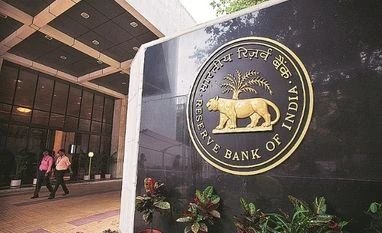 "RBI approved Modi's note ban bid hours before announcement")


 Connect with us on WhatsApp