
RBI may keep policy rates steady amid Omicron variant scare
The last time the RBI changed the policy rate was in May 2020
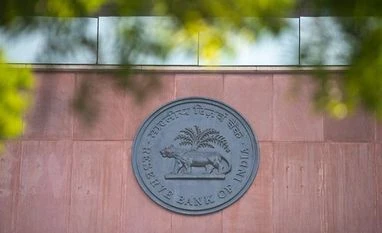 "RBI may keep policy rates steady amid Omicron variant scare")
WebinarsNew
Deep DiveNew
Explore Business Standard
The last time the RBI changed the policy rate was in May 2020
The Reserve Bank of India (RBI) is expected to maintain a status quo on key rates in its bi-monthly policy review to be announced on Wednesday as Omicron, a new strain of Coronavirus, adds to the economic uncertainties.
In the last policy review in October, the RBI had kept the key lending rates unchanged for eight consecutive times. The repo rate, at which the RBI lends short-term funds to banks, was kept unchanged at 4 per cent. The reverse repo rate, at which the RBI borrows from banks, was kept unchanged at 3.35 per cent. The Marginal Standing Facility (MSF) rate was also kept unchanged at 4.25 per cent.
After the Monetary Policy Committee meeting on October 8, RBI Governor Shaktikanta Das had announced that the central bank would maintain an "accommodative" stance on policy rates and would ensure that inflation remains within the target range. An accommodative stance refers to the willingness to either cut rates or maintain the status quo.
The last time the RBI changed the policy rate was in May 2020. The central bank had slashed the key policy rates in May 2020 to historic lows to support the economy hit by the Covid-19 pandemic. Since then the RBI has maintained the status quo.
However, during this period the Indian economy has been on a roller coaster. During April-June 2020 quarter, a period when the RBI last changed policy rates, India's GDP slumped by 24.4 per cent. The economy posted a growth of 20.1 per cent during April-June 2021 quarter. The GDP posted a growth of 8.4 per cent in July-September 2021 quarter as against a contraction of 7.4 per cent in the year-ago period.
There has been a wide fluctuation in inflation also. However, the RBI has maintained a 'wait and watch" approach as these fluctuations have been guided by factors largely beyond its control.
Covid-19 new strain Omicron, first identified by South African scientists, is seen as the next big potential source of uncertainties for India's economy. The World Health Organisation (WHO) has officially named the new Covid-19 variant B.1.1.529. As per the WHO, the first known confirmed case of the new variant was from a sample collected on November 9 this year. Omicron cases have been spreading fast in India. More than 20 cases have been reported in the last one week.
(Only the headline and picture of this report may have been reworked by the Business Standard staff; the rest of the content is auto-generated from a syndicated feed.)
First Published: Dec 07 2021 | 5:10 PM IST


 Connect with us on WhatsApp