The Reserve bank of India's (RBI's) monetary policy committee (MPC), in its first bi-monthly monetary policy review of 2018-19 on Thursday, decided to maintain the status quo on key policy rate. Madan sabnavis explains what the central bank's policy stance means.
As was expected the Reserve Bank of India (RBI) on Thursday kept policy rates unchanged. But what was to be watched was the outlook and a neutral stance is assuring for the corporates as it could mean a change in course provided conditions work out very positively. This is contrary to the slightly hawkish stance expected on account of the recent increase in crude oil prices. Clearly the expected good monsoon has worked in favour of such a stance of the RBI which will overwhelm the impact of higher crude prices.
The surprising part is that one member of the MPC had continued to argue for a rate hike in conditions of declining inflation and downward revision in the expected inflation number. This is significant. The RBI now believes that inflation in the first half of the year will be 4.7-5.1% instead of 5.1-5.6% in the first half and 4.4% in the second half. This implies that presently there is no reason to expect any upward revision in policy rates unless the CPI numbers turn out to be very high which is not currently expected.
Two issues do not find mention either in the policy or the development and regulatory policies statements. The policy does not comment on expected growth in credit or deposits which would have been useful given that there are signs of credit picking up with deposits growth lagging. It would have been useful to get an idea of these two parameters as they will be major drivers of the net liquidity situation considering that the government borrowing programme is heavily tilted towards the second half of the year. The RBI view on possible tightening of liquidity in this period has not been provided.
Second, there has been no update provided on the progress on the NPA issue as well as the audit processes in banks which are two major challenges for the system. These issues could have been commented on as the entire banking system is being debated in high decibels in the media and an official view point would have been welcomed.
On growth the RBI is sanguine about 7.4% next year being achieved. This is broadly in line with the general consensus, but also means that for the third successive year GDP growth will be less than the 8% mark, which was last achieved in FY16. The RBI is also banking on a pick-up in investment which will be manifested in growth in capital goods. But all this is premised on the monsoon being good and there being no major disruption across the farm sector.

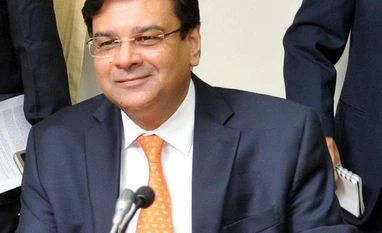 "RBI's monetary policy review: Central bank's stance signals positive change")












