India’s move to restructure the world’s biggest food program is a fiscally prudent and a politically deft move, according to Nomura Holdings Inc.
The withdrawal of the free food plan was always going to be politically tricky, but the simultaneous reorientation of the food public distribution system makes it an easier political sell, Nomura economists Sonal Varma and Aurodeep Nandi wrote in a report to clients Tuesday.
The move is particularly significant in light of the busy political calendar in 2023, with states elections due to be held in Karnataka, Chhattisgarh, Madhya Pradesh, Rajasthan and Telangana, and general elections in the summer of 2024, they added.
The government last week discontinued a version of a free-food program for low income households announced in April 2020, and replaced it with the new initiative that will also give out free grains while lowering the quantity. This move, Nomura estimates, will result in subsidy savings to the tune of 0.16% of gross domestic product in the three months to March.
The overall fiscal impact of these announcements “is positive,”and should help the government meet its deficit aim of 6.4% of gross domestic product in the current fiscal year, the economists said. They expect a sub-6% deficit target for next fiscal year starting April 1, but such consolidation target would be “tricky” due to weaker growth, they added.
“If the government can hold the line on its food subsidy expenditure, then it should help reduce one of the risks,” the economists wrote.
The end of the free foodgrain program should help raise foodgrain stocks back over buffer norms and reduce the pressure on open markets for procurement. This, in turn, should help ease inflationary pressures on cereals, they added.
--With assistance from Vrishti Beniwal.

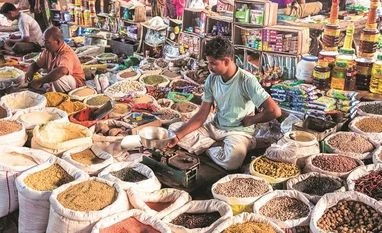 "Reorienting India's food programme a politically deft move, says Nomura")









