Statsguru: Commodity supercycle may hurt India amid Covid-19 pandemic

After a year of limited activity, several economies are expecting a faster-than-usual bounce back to normal. This has led to an increase in commodity prices across the board

Agriculture, farmers, wheat, procurement, MSP, APMC, commodity
The Bloomberg Commodity Index is trending at its highest level ever, so are the futures for copper and wheat
Ishaan Gera New Delhi
2 min read Last Updated : May 17 2021 | 6:10 AM IST
As the global economy is recovering, demand for commodities has shot up. After a year of limited activity, several economies are expecting a faster-than-usual bounce back to normal. This has led to an increase in commodity prices across the board. 

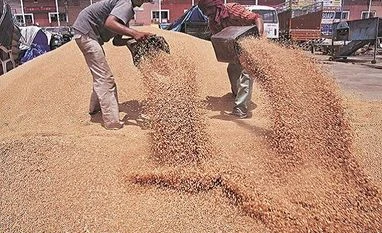
The Bloomberg Commodity Index is trending at its highest level ever, so are the futures for copper and wheat (see chart 1). Crude prices are trading at the highest level since last year. 

A commodity supercycle will help the fortunes of the metal and shipping industry (chart 2), but it will hurt India as it tries to recover from the second wave. The rise in oil and gold prices can increase the country’s import bill (chart 3). These commodities account for a third of India’s imports. A rise in prices of agricultural commodities may provide some succour, but this constitutes only a small part of India’s exports. India exported $8.75 billion worth of cereals in 2020-21. Imports of vegetable oil at $10.2 billion were far greater than exports of cereals (chart 4).



The commodity supercycle can further add to the government's woes by inflating the subsidy bill and making things costlier as it prepares to significantly increase infrastructure investment. The government had announced Rs 3 trillion worth of infrastructure investment in this year’s Budget. The subsidy bill is expected to be Rs 2.4 trillion. This will put the government in a quagmire; if it holds back on spending, revival will take time. However, it will have to run a larger deficit if it were to go ahead with its plans. Companies hammered by the pandemic might not be ready to absorb the rising costs and would likely pass them on to the consumers. Inflation (chart 5) could edge up in the coming months — WPI is already increasing — and hurt demand further (chart 6).  


StatsGuru is a weekly feature. Every Monday, Business Standard guides you through the numbers you need to know to make sense of the headlines
 

One subscription. Two world-class reads.

Already subscribed? Log in

Subscribe to read the full story →
*Subscribe to Business Standard digital and get complimentary access to The New York Times

Smart Quarterly

₹900

3 Months

₹300/Month

SAVE 25%

Smart Essential

₹2,700

1 Year

₹225/Month

SAVE 46%
*Complimentary New York Times access for the 2nd year will be given after 12 months

Super Saver

₹3,900

2 Years

₹162/Month

Subscribe

Renews automatically, cancel anytime

Here’s what’s included in our digital subscription plans

Exclusive premium stories online

  • Over 30 premium stories daily, handpicked by our editors

Complimentary Access to The New York Times

  • News, Games, Cooking, Audio, Wirecutter & The Athletic

Business Standard Epaper

  • Digital replica of our daily newspaper — with options to read, save, and share

Curated Newsletters

  • Insights on markets, finance, politics, tech, and more delivered to your inbox

Market Analysis & Investment Insights

  • In-depth market analysis & insights with access to The Smart Investor

Archives

  • Repository of articles and publications dating back to 1997

Ad-free Reading

  • Uninterrupted reading experience with no advertisements

Seamless Access Across All Devices

  • Access Business Standard across devices — mobile, tablet, or PC, via web or app

Topics :Coronaviruscommodity tradingCommodity pricesCommodity ExchangesAgriculture productsstock marketSubsidy billagriculture sectorShipping industrymetal sector

Next Story




