The real driving spirit behind the consumer affairs ministry’s new draft guidelines, currently open for public comment, may lie elsewhere. In the garb of checking manipulative behavior by online marketplaces, India is effectively muzzling the two leading U.S. players. It’s also tilting the balance in favor of offline commerce, and away from digital startups that are India’s best bet for rebuilding the pandemic-ravaged economy.
Amazon and Walmart are dominant, but in a tiny corner. Overall e-commerce is only 4% of India’s $800 billion retail market. Yet they’re supposedly exerting such a baleful influence on the natural flow of goods that they must be reined in by, in effect, instructing Amazon not to sell its Made in India Fire TV Sticks — a media streaming device — on its local e-commerce website. Ditto for Walmart. Its physical wholesale operation in the country may not be able to hawk a shirt on Flipkart, the online marketplace it acquired for $16 billion in 2018. And this is when the American retailer is trying hard to blend in. It plans to triple exports from India to $10 billion by 2027, and will float Flipkart in the local equity market.

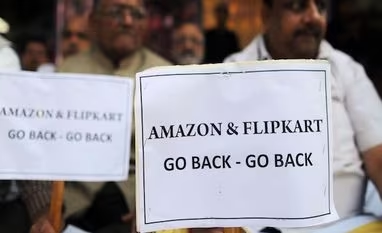 "After sinking billions, Walmart, Amazon haven't learnt their place in India")










 Connect with us on WhatsApp