Campaigning ended today in Tamil Nadu, Kerala and Puducherry for May 16 assembly polls, ringing the curtain down on the gruelling two-month-long exercise.
The ruling Congress-led UDF is up against the LDF headed by CPI(M) in Kerala. For BJP, it is turning out to be a battle of prestige after Prime Minister Narendra Modi's whirlwind campaign and war of words with Kerala Chief Minister Oommen Chandy, and the party is keen to open its account in the Assembly.
A total of 2.61 crore people in Kerala are eligible to cast their votes on May 16 to elect 140 law makers in the Assembly out of 1,203 candidates, including 109 women.
The LDF too will be facing another crucial contest to stage a comeback in Kerala as in West Bengal, where the six-phase Assembly election ended on May 5.
The Left has a tie-up with Congress in West Bengal and the two sides took pains to assert that it will not affect their prospects in the two states.
The last leg of poll campaign saw many national leaders canvassing for their parties. Though campaign started on state-centric issues like solar and bar bribery scams in Kerala, it took a new turn after Modi kicked up a row with his comparison of Kerala with Somalia.
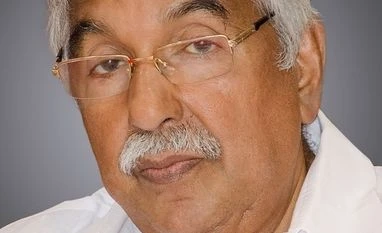
Congress leader Chandy, heading the UDF campaign, was quick to latch onto the remark to hit back at BJP and Modi, saying "the Prime Minister has insulted the people of Kerala".
There was also war of words between BJP and Chandy over the expenses borne for bringing back people from strife torn Libya to Kerala.
Congress Chief Sonia Gandhi, party leaders A K Antony and Ghulam Nabi Azad, CPI-M General Secretary Sitaram Yechury, CPI National Secretary Sudhakar Reddy, CPI(M) leader and Tripura Chief Minister Nirpuan Chakravorty, Former Prime Minister Deva Gowda, Bihar Chief Minister Nitish Kumar were among the prominent politicians who took part in the campaign.
The BJP this time is fighting along with its key ally Bharath Dharam Jana Sena (BDJS), a new party formed by Sree Narayana Dharma Paripalana (SNDP) Yogam, a powerful outfit of backward Ezhava community.
Tamil Nadu is witnessing a multi-cornered contest with AIADMK, DMK-Congress, PWF-DMDK-TMC combine, BJP-led alliance and PMK in the fray.
More than 5.79 crore voters in 234 assembly constituencies in Tamil Nadu will decide the fate of 3,776 aspirants, including four Chief Ministerial candidates -- incumbent J Jayalalithaa of AIADMK, DMK's M Karunanidhi, DMDK's Vijayakant and Anbumani Ramadoss of PMK.
Jayalalithaa is seeking a second successive termin office in the state, where elections have dethroned the ruling party in recent decades.
While the opposition including DMK and BJP harped on prohibition and corruption, Jayalalithaa sought votes on her government's five year-performance.
Flow of illegal money was a major challenge for electoral authorities which seized an unprecedented Rs 100 crore of unaccounted cash. Of this, Rs 37 crore had, however, been returned to the owners on submission of documents.
In Puducherry, 9.43 lakh voters will decide the fate of over over 300 candidates in 30 seats.
The election process announced for West Bengal, Assam, Tamil Nadu, Kerala and Puducherry assemblies on March 8 will conclude on May 19, when the results will be declared.
Assembly election concluded in two phases in Assam on April 11.

 "Assembly polls: Campaigning ends in Kerala, Tamil Nadu and Puducherry")


 Connect with us on WhatsApp