Gujarat elections: Here's a comparative analysis of crorepati candidates

The average assets per candidate contesting the Gujarat Assembly elections in Phase I is Rs 2.88 crore
Assembly elections, narendra modi, politics
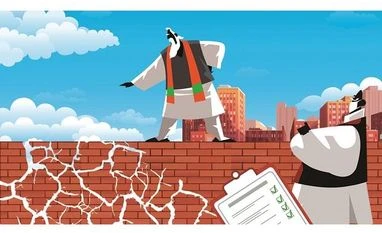
The richest candidate, with Rs 175.78 crore of assets, is Ramesh Tilala, the saffron party’s candidate from Rajkot South constituency (Illustration: Binay Sinha)
Aditi Phadnis
2 min read Last Updated : Nov 27 2022 | 10:35 PM IST
There has been a jump in the number of crorepati candidates contesting the Assembly elections in Gujarat this year, to be held on December 1.

The election will be held for 89 of the 182 seats. Gujarat is known for its industry base, its business acumen, and a relatively higher per capita income. The profile of those contesting the elections reflects this reality.

The average assets per candidate contesting the Gujarat Assembly elections in Phase I is Rs 2.88 crore.

In the 2017 Gujarat Assembly elections in Phase I, the average assets per candidate for the 923 nominees was Rs 2.16 crore. 

This analysis is based on income and asset affidavits submitted to the Election Commission of India as part of the mandatory filings ahead of any election.

One Independent candidate - Bhupendra Bhavinbhai Patoliya from Rajkot West constituency - has declared zero assets in the affidavit.


The richest candidate, with Rs 175.78 crore of assets, is Ramesh Tilala, the saffron party’s candidate from Rajkot South constituency, revealed the Association for Democratic Reforms report.

Forty nine per cent candidates have declared liabilities in their affidavits. A total of 37 (or 5 per cent) candidates have not declared their permanent account number details.

According to the report published by the election watchdog, the role of money power in the elections is evident from the fact that all major political parties have given tickets to wealthy candidates.

While 79 (or 89 per cent) of the 89 Bharatiya Janata Party (BJP) candidates this year are crorepatis, 65 (or 73 per cent) of the 89 Congress candidates, and 33 (or 38 per cent) of the 88 Aam Aadmi Party (AAP) candidates have declared assets valued more than Rs 1 crore.

If the contesting BJP candidates have average asset size of Rs 13.4 crore, Congress candidates are not far behind with average assets of Rs 8.38 crore, followed by AAP at Rs 1.99 crore and 14 Bharatiya Tribal Party candidates with Rs 23.39 lakh.

By comparison, the Bahujan Samaj Party candidate from Vyara seat in the Tapi district, Rakesh Gamit, has only Rs 1,000 as assets. He is the candidate with the lowest declared assets.

Source: Association for Democratic Reforms

One subscription. Two world-class reads.

Already subscribed? Log in

Subscribe to read the full story →
*Subscribe to Business Standard digital and get complimentary access to The New York Times

Smart Quarterly

₹900

3 Months

₹300/Month

SAVE 25%

Smart Essential

₹2,700

1 Year

₹225/Month

SAVE 46%
*Complimentary New York Times access for the 2nd year will be given after 12 months

Super Saver

₹3,900

2 Years

₹162/Month

Subscribe

Renews automatically, cancel anytime

Here’s what’s included in our digital subscription plans

Exclusive premium stories online

  • Over 30 premium stories daily, handpicked by our editors

Complimentary Access to The New York Times

  • News, Games, Cooking, Audio, Wirecutter & The Athletic

Business Standard Epaper

  • Digital replica of our daily newspaper — with options to read, save, and share

Curated Newsletters

  • Insights on markets, finance, politics, tech, and more delivered to your inbox

Market Analysis & Investment Insights

  • In-depth market analysis & insights with access to The Smart Investor

Archives

  • Repository of articles and publications dating back to 1997

Ad-free Reading

  • Uninterrupted reading experience with no advertisements

Seamless Access Across All Devices

  • Access Business Standard across devices — mobile, tablet, or PC, via web or app

Topics :GujaratGujarat AssemblyGujarat electionsAssembly ElectionPolitics

Next Story



