Banks put in lesser amounts in VRRR auctions ahead of FY22-end

The RBI has been conducting VRRR auctions to manage surplus liquidity in the system
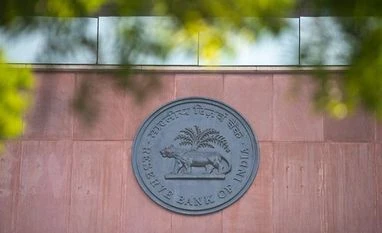
RBI, Reserve Bank of India
Photo: Shutterstock
Abhijit Lele Mumbai
3 min read Last Updated : Mar 22 2022 | 10:39 PM IST
Banks on Tuesday put in lower than notified amounts in the Reserve Bank of India’s (RBI’s) two variable rate reverse repo (VRRR) auctions for Rs 1.5 trillion as they predominantly preferred to maintain cash on their books ahead of the close of FY22.

The three-day VRRR auction for Rs 1 trillion saw offers for Rs 67,422 crore. The RBI accepted the amount with a cut-off rate of 3.99 per cent. The 28-day VRRR auction for Rs 50,000 crore saw banks putting in Rs 47,190 crore. Bankers said the demand from customers remained high at the end of March and banks wanted to keep some liquidity with them.

Also the RBI sold dollars, which sucked out part of rupee liquidity. The combined effect is less subscription than the notified amount.

The RBI has been conducting VRRR auctions to manage surplus liquidity in the system. It conducted an eight-day VRRR auction on March 17, absorbing about Rs 57,000 crore.

Treasury executives said the liquidity surplus in the banking system continued to be sizable and the RBI had restored the revised liquidity management framework to rebalance the surplus. Under this framework, it is using variable rate repo (VRR) and VRRR as the main liquidity management tools.


CARE Ratings, in its weekly review, said the liquidity surplus narrowed sharply in the holiday-truncated week ended March 17. This can be because of outflows towards advance tax payments as well as those for fiscal year-end payment settlements.

The average banking system liquidity surplus, at Rs 5.78 trillion, declined in the week ended March 18 against Rs 7.24 trillion in the previous week.

The RBI in its bulletin (March 2022) said increased government spending became the principal, autonomous driver of liquidity in this period. This is despite higher leakage in the form of currency in circulation on account of the Assembly elections and the rabi harvesting season.

Average daily absorption under the fixed rate reverse repo window stood at Rs 1.7 trillion while the bulk of the absorption was effected through VRRR auctions (both main and fine-tuning), reflecting liquidity rebalancing through the migration of surplus liquidity towards longer tenors, the RBI said.

The liquidity surplus in the banking system pulled down overnight money market rates, with the weighted average call rate, the tri-party repo, and the market repo rate close to the reverse repo rate.

Interest rates on longer-term money market instruments such as the three-month T-bill and certificates of deposit, however, remained higher, with their respective spreads over the reverse repo rate averaging 38 bps and 60 bps during the second fortnight of February through March 11, 2022.

One subscription. Two world-class reads.

Already subscribed? Log in

Subscribe to read the full story →
*Subscribe to Business Standard digital and get complimentary access to The New York Times

Smart Quarterly

₹900

3 Months

₹300/Month

SAVE 25%

Smart Essential

₹2,700

1 Year

₹225/Month

SAVE 46%
*Complimentary New York Times access for the 2nd year will be given after 12 months

Super Saver

₹3,900

2 Years

₹162/Month

Subscribe

Renews automatically, cancel anytime

Here’s what’s included in our digital subscription plans

Exclusive premium stories online

  • Over 30 premium stories daily, handpicked by our editors

Complimentary Access to The New York Times

  • News, Games, Cooking, Audio, Wirecutter & The Athletic

Business Standard Epaper

  • Digital replica of our daily newspaper — with options to read, save, and share

Curated Newsletters

  • Insights on markets, finance, politics, tech, and more delivered to your inbox

Market Analysis & Investment Insights

  • In-depth market analysis & insights with access to The Smart Investor

Archives

  • Repository of articles and publications dating back to 1997

Ad-free Reading

  • Uninterrupted reading experience with no advertisements

Seamless Access Across All Devices

  • Access Business Standard across devices — mobile, tablet, or PC, via web or app

Topics :Reserve Bank of IndiaBanking sectorLiquidity

Next Story



