Growth of shadow banks poses threat to financial stability: RBI report

Balance sheet expanded but asset quality deteriorated, says RBI report
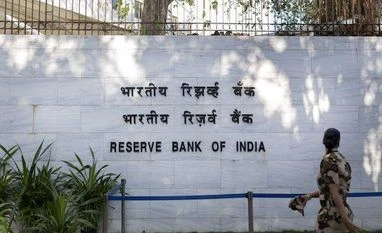
RBI
RBI issued guidelines extending the prompt corrective action (PCA) framework for NBFCs
Manojit Saha Mumbai
3 min read Last Updated : May 28 2022 | 2:07 AM IST
The Reserve Bank of India (RBI) has red-flagged non-banking financial companies (NBFCs) in its annual report, observing that balance sheets of shadow banks expanded even as the asset quality deteriorated. Moreover, the regulator said some of these entities pose potential threat to financial stability as their size increased due to higher risk appetite.

“The balance sheet of NBFCs expanded in 2021-22 (up to December 2021) but asset quality in the sector deteriorated. Nevertheless, capital cushions showed an improvement,” the annual report said.

The report said the contribution of NBFCs towards supporting real economic activity and acting as a supplemental channel of credit intermediation alongside banks is well recognised.

“Higher risk appetite of the NBFCs has, however, contributed over time to their size, complexity, and interconnectedness, thereby making some of the entities systemically significant that pose potential threat to financial stability,” the report said.

The central bank’s annual report further said that shadow banks as well as cooperative banks (UCBs) will have to be mindful of frailties, wherever they exist, in their balance sheets and ensure robust asset-liability management, apart from improving the quality of their credit portfolios.

“Considering the significant share of funding absorbed by NBFCs at the system level, continued attention to their financial health is warranted from the viewpoint of financial stability,” the report said.

The regulator is planning to put in several measures in the current financial year, for both banks and NBFCs, to strengthen the regulatory and supervisory framework. For example, a revised regulatory framework for these entities which provides for a layered structure based upon their size, activity, and perceived riskiness, and will be applicable from October 1, 2022.

The RBI has also issued guidelines extending the prompt corrective action framework for NBFCs.

The RBI has been tightening regulations for the NBFC sector ever since Infrastructure Leasing & Financial Services (IL&FS) went bust in 2018, creating a liquidity crisis.

The central bank has been narrowing the regulatory arbitrage that existed between banks and NBFCs and also introduced scale-based regulatory framework for the sector, wherein larger NBFCs will be subject to tighter regulations, given their systemic importance. The narrowing of regulatory arbitrarage and tighter regulations has resulted in the mortgage financier HDFC Ltd deciding to merge with HDFC Bank. In the past few years, the country saw failure of many large NBFCs such as DHFL, Srei Group entities, and Reliance Capital. 

Key Points 

* Contribution of NBFCs towards supporting real economic activity and acting as a supplemental channel of credit intermediation alongside banks is well recognised

* Shadow banks and cooperative banks will have to be mindful of frailties

* Ensure robust asset-liability management

* Improve quality of their credit portfolios

One subscription. Two world-class reads.

Already subscribed? Log in

Subscribe to read the full story →
*Subscribe to Business Standard digital and get complimentary access to The New York Times

Smart Quarterly

₹900

3 Months

₹300/Month

SAVE 25%

Smart Essential

₹2,700

1 Year

₹225/Month

SAVE 46%
*Complimentary New York Times access for the 2nd year will be given after 12 months

Super Saver

₹3,900

2 Years

₹162/Month

Subscribe

Renews automatically, cancel anytime

Here’s what’s included in our digital subscription plans

Exclusive premium stories online

  • Over 30 premium stories daily, handpicked by our editors

Complimentary Access to The New York Times

  • News, Games, Cooking, Audio, Wirecutter & The Athletic

Business Standard Epaper

  • Digital replica of our daily newspaper — with options to read, save, and share

Curated Newsletters

  • Insights on markets, finance, politics, tech, and more delivered to your inbox

Market Analysis & Investment Insights

  • In-depth market analysis & insights with access to The Smart Investor

Archives

  • Repository of articles and publications dating back to 1997

Ad-free Reading

  • Uninterrupted reading experience with no advertisements

Seamless Access Across All Devices

  • Access Business Standard across devices — mobile, tablet, or PC, via web or app

Topics :Reserve Bank of IndiaNBFCsshadow bankingIndian banking sectorUrban cooperative banks

Next Story



