RBI to streamline charges for a safer, more affordable payments system

The central bank had released a discussion paper in August that outlined existing rules for charges, while presenting other options through which these could be levied
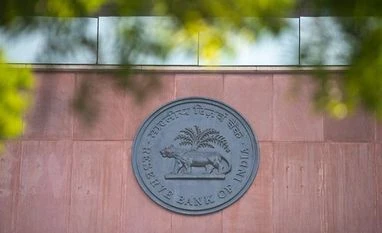
RBI, Reserve Bank of India
This will ensure that India has a state-of-the-art payment and settlement system that is not just safe, secure, efficient and fast but also affordable: RBI
Subrata Panda Mumbai
2 min read Last Updated : Dec 27 2022 | 8:17 PM IST
The Reserve Bank of India (RBI) is aiming to streamline the framework of charges for different payment systems to ensure that the country has a state-of-the-art payment system, which is not only safe and secure but also swift and affordable.

The central bank had, in August, released a discussion paper that outlined existing rules for charges in payment systems, while also presenting other options through which such charges could be levied.

Based on the feedback received from the stakeholders, the central bank has said that it will structure its policies and streamline the framework of charges for different payment services and activities in the country.

“This will ensure that India has a state-of-the-art payment and settlement system that is not just safe, secure, efficient and fast but also affordable”, RBI said in the Trends and Progress Report.

According to the central bank, an efficient payment system requires the fees to be appropriately determined to ensure optimal cost to users and returns to operators.

In the discussion paper, RBI did not take any stance and kept it completely open-ended in terms of regulation of various charges for various payment mechanisms like debit cards, credit cards, PPIs (pre-paid instruments), and UPI. RBI discussed the pros and cons for charges to exist in the current format for various instruments and asked whether caps must be imposed on charges for various payment instruments.

It also sought feedback on the possibility of imposing a tiered charge on payments made through the Unified Payments Interface (UPI) based on different amount bands. This evoked strong reactions from the government, which categorically stated it is not the right time to make digital payments such as UPI chargeable and that the concerns of the service providers for cost recovery have to be met through other means. 

One subscription. Two world-class reads.

Already subscribed? Log in

Subscribe to read the full story →
*Subscribe to Business Standard digital and get complimentary access to The New York Times

Smart Quarterly

₹900

3 Months

₹300/Month

SAVE 25%

Smart Essential

₹2,700

1 Year

₹225/Month

SAVE 46%
*Complimentary New York Times access for the 2nd year will be given after 12 months

Super Saver

₹3,900

2 Years

₹162/Month

Subscribe

Renews automatically, cancel anytime

Here’s what’s included in our digital subscription plans

Exclusive premium stories online

  • Over 30 premium stories daily, handpicked by our editors

Complimentary Access to The New York Times

  • News, Games, Cooking, Audio, Wirecutter & The Athletic

Business Standard Epaper

  • Digital replica of our daily newspaper — with options to read, save, and share

Curated Newsletters

  • Insights on markets, finance, politics, tech, and more delivered to your inbox

Market Analysis & Investment Insights

  • In-depth market analysis & insights with access to The Smart Investor

Archives

  • Repository of articles and publications dating back to 1997

Ad-free Reading

  • Uninterrupted reading experience with no advertisements

Seamless Access Across All Devices

  • Access Business Standard across devices — mobile, tablet, or PC, via web or app

Topics :Reserve Bank of IndiaUnified Payments Interfacepayment systemsCentral banksPaymentdigital paymentUnified Payments SystemUPI transactions

Next Story



