We want a bank licence, but not at any cost, says Shriram Group patriarch
R Thyagarajan says NBFC and bank arms should be allowed to co-exist, calls for separate regulator for NBFCs
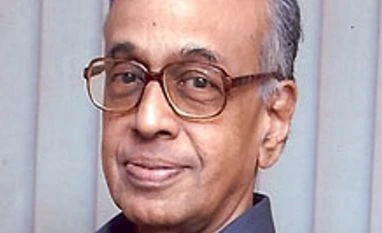
Manojit Saha Mumbai The Shriram Group’s discomfort with the new banking licence guidelines was so far talked about by everybody else but the group. R Thyagarajan, founder and chairman of Shriram group, has finally broken his silence.
Speaking to Business Standard, the group patriarch said he was keen on getting a bank licence, but not at any cost and the regulations should allow bank and NBFC arms to co-exist — a demand unlikely to be conceded by the Reserve Bank of India (RBI).
“We have made it clear to the regulator that, in the present form of new bank licence norms, it is a huge challenge for the group NBFC, with assets under management (AUM) of over Rs 60,000 crore, to transfer its businesses to a bank. We want a bank licence but not at any cost," he said.
The main challenge for Shriram Group is to convert the NBFC into a bank, as mandated by the regulator.
“The crux of the challenge is replacing our current bank liabilities of this magnitude to customer deposits which could take 8-10 years. In the meantime, our underserved target market will be deprived of funds and hence, their livelihood,” said Thyagarajan, who ideally wants the bank and NBFC business of the group to co-exist.
Shriam Group is not the only industrial group that has found the conditions laid down by RBI challenging.
Mahindra Finance, the NBFC arm of the Mahindra & Mahindra group, had dropped its plan for applying for a bank licence without even applying, on grounds that the guidelines do not permit co-existence of NBFCs and banks. Another NBFC firm, Sundaram Finance too, had refrained from applying on similar grounds.
Last month, the country’s largest conglomerate, the Tata group, withdrew its licence application stating its “financial services operating model best supports the current needs of the Tata Group's domestic and overseas strategy.”
At present, there are 25 entities, down from initial 26 applicants, in the fray for bank licence, which includes the Reliance Group, the Aditya Birla group and Larsen & Tourbo.
The central bank is expected to issue the first batch of new banking licences, the first in a decade, early next year.
Thyagarajan has also proposed a separate regulator for NBFCs involved in financing small business.
"We have been advocating the need for a separate regulator for small business financing companies for a long time. In 2002, a proposal was also sent to the finance ministry," he said.
Thyagarajan said there was a need for a “development-cum-regulatory” authority.
“RBI, which is currently regulating the financial sector, is more of a regulatory agency rather than a developmental agency. The insurance regulator (Irda), for example, is responsible for both development of the sector as well as regulation,” he said.
He emphasises the need to define the objectives of the regulator quantitatively and the person, who is given the responsibility to head it, should be open to a review of his performance after a pre-agreed period of time.
"One of the quantitative objectives could be to ensure 10 per cent of the financial savings of the community (which is in the form of bank deposits of around Rs 70 lakh crore) should be extended to small enterprises as credit support. There has to be accountability for the regulator," he added.

 "We want a bank licence, but not at any cost, says Shriram Group patriarch")

