3 min read Last Updated : Aug 18 2019 | 8:06 PM IST
Commuters in Mumbai did a double take one morning when they found their daily travel partner, the Western Railway (WR), tweeting from its official handle: Chittorgarh ka plan bana-na at just Rs 445 (Travel to Chittorgarh for Rs 445). A witty take on the controversy over actor Rahul Bose being charged Rs 442 for a pair of bananas by a five-star hotel, the tweet hit the funny spot, quickly racking up retweets and comments.
This was not a first for the overburdened, creaking at the seams public transport system that carries one-fourth of the total 14 million commuters who use Indian Railways. Over the past six months and more, WR has surprising commuters and critics on several occasions. A new look for its coaches, an active and funny social media handle and a mascot DabluR who dispenses advice without being preachy are all helping to piece together a new look WR.
“We wish to reach out to the youth,” said Ravindra Bhakar, media manager of Western Railway and in charge of the Public Relations Department. WR is following in the footsteps of other public utilities. “We studied handles like the Mumbai police and realised we need to be more creative,” he added.
A mascot called DabluR
In 2018, WR hired an external agency for its social media handles that were set up in 2015. It has helped WR navigate the internet more deftly and the result: 2.02 lakh followers on Twitter.
KV Sridhar, founder and chief executive officer for Hyper Collective lauds the move. “Any attempt to get closer to the public is good, that is how public services across the globe are,” he said.
But the effort has not been devoid of hiccups and it took some time for the agency to break the old mindset. “It is a government organisation, but they were open to changing, which was the plus point,” said Vitesh Shah, CEO, Digital and IT at Ventures Advertising that manages the account.
A witty tweet about price of bananas vs a quick getaway using WR
Sridhar points out WR can take a leaf out of global books. “British Rail, British Telecom and a bunch of others are good examples. For Singapore, 30 per cent of the advertising is by the government around public participation,” he said.
Digital serves as the best medium, it is less expensive and also offers an immediacy that public utilities need to establish their credibility as they address concerns ranging from delayed trains, to leakages and garbage disposal along with regular scheduling woes.
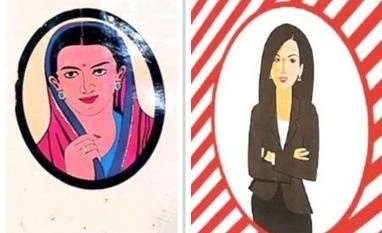
The social media thrust has come alongside a revamp of the look of the suburban network. For one, the sign for women’s compartments takes into account a more contemporary attire. While the changes are welcome, Sridhar warns of the double-edged sword that social media can be. People expect immediate responses and considerate answers, not robotic replies and that is a challenge public utilities around the world are grappling with, he added.