Bank of America profit rises on higher rates, lower costs

The lender's large stock of deposits and rate-sensitive mortgage securities make it well placed to benefit from rate rises
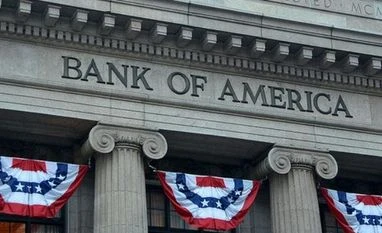
Bank of America, BofA
Bank of America
Dan Freed & Nikhil Subba | Reuters
Last Updated : Oct 14 2017 | 1:24 AM IST
Bank of America (BofA) beat expectations with a 15 per cent rise in third-quarter profit on Friday as the second-largest US lender kept a tight leash on costs and benefited from higher interest rates.

Chief Executive Brian Moynihan’s years-long effort to streamline the bank’s sprawling operations and keep its costs in check are finally bearing fruit as the Federal Reserve raises borrowing costs.

The lender’s large stock of deposits and rate-sensitive mortgage securities make it especially well placed to benefit from rate rises. Its third-quarter earnings performance beat rivals JPMorgan Chase & Co and Citigroup, which reported gains of 7.1 per cent and 7.6 per cent, respectively on Wednesday.

“On balance, Bank of America’s results stack up better than those of peers,” Instinet analyst Steven Chubak said.

The Federal Reserve’s three rate increases since December boosted Bank of America’s net interest income 9.4 per cent to $11.16 billion and the central bank is widely expected to raise rates again in December.
 
The improved fortunes at BofA, which spent years in the doghouse dealing with fines and settlements arising from the financial crisis, contrasts with the 19 per cent profit decline Wells Fargo & Co reported on Friday due to mortgage issues stemming from 2007-09.

Bank of America’s shares, which had risen nearly 16 per cent year to date, were up almost one per cent in morning trade while Wells Fargo was down more than three per cent.

Provisions for credit losses rose 15 per cent from the second quarter, driven by credit cards and loan growth and analysts pressed the bank’s executives about possible signs of problems with consumer credit. Citigroup and JPMorgan said they expect to charge-off more for bad card loans in the future.

“We’re just not seeing it yet in our net charge-offs,” Chief Financial Officer Paul Donofrio told the analysts. He said that was true for auto loans, as well as card loans, and could be due to the bank’s shift after the financial crisis to focus on lending to customers with prime and superprime credit scores.

Similar to rivals, trading revenue at the Charlotte, North Carolina-based lender fell 15 per cent, with revenue from fixed income trading down 22 per cent. 

One subscription. Two world-class reads.

Already subscribed? Log in

Subscribe to read the full story →
*Subscribe to Business Standard digital and get complimentary access to The New York Times

Smart Quarterly

₹900

3 Months

₹300/Month

SAVE 25%

Smart Essential

₹2,700

1 Year

₹225/Month

SAVE 46%
*Complimentary New York Times access for the 2nd year will be given after 12 months

Super Saver

₹3,900

2 Years

₹162/Month

Subscribe

Renews automatically, cancel anytime

Here’s what’s included in our digital subscription plans

Exclusive premium stories online

  • Over 30 premium stories daily, handpicked by our editors

Complimentary Access to The New York Times

  • News, Games, Cooking, Audio, Wirecutter & The Athletic

Business Standard Epaper

  • Digital replica of our daily newspaper — with options to read, save, and share

Curated Newsletters

  • Insights on markets, finance, politics, tech, and more delivered to your inbox

Market Analysis & Investment Insights

  • In-depth market analysis & insights with access to The Smart Investor

Archives

  • Repository of articles and publications dating back to 1997

Ad-free Reading

  • Uninterrupted reading experience with no advertisements

Seamless Access Across All Devices

  • Access Business Standard across devices — mobile, tablet, or PC, via web or app

Next Story



