Brexit: EU meets without Britain for first time since referendum vote
The 27 remaining members of the bloc agreed to give Britain some breathing space yesterday, accepting that it needs time to absorb the shock of the vote
AFPPTI Brussels Europe's leaders meet today without Britain for the first time following its shock decision to leave the EU, trying to pick up the pieces and prevent further disintegration.
The 27 remaining members of the bloc agreed to give Britain some breathing space yesterday, accepting that it needs time to absorb the shock of the Brexit vote before triggering Article 50 that will begin the formal divorce proceedings.
But German Chancellor Angela Merkel warned British Prime Minister David Cameron could not "cherry-pick" the terms of the exit negotiations, reflecting wider concerns that Britain's departure could spark a domino effect of other states wanting to leave the EU.
Cameron flew back to London after Tuesday's summit, as Scotland's first minister headed in the opposite direction to test the waters in Brussels for her country joining the bloc as a separate entity.
Scotland overwhelmingly backed "Remain" in last Thursday's vote, and a combative Nicola Sturgeon has said she was "utterly determined to preserve Scotland's relationship and place within the EU".
That may require a second referendum on Scottish independence, which failed in 2014, with Sturgeon saying that the Britain of that time "does not exist any more" following the Brexit vote.
Five days after Britain voted by a margin of 52% to leave the bloc, unleashing turmoil on global financial markets, EU President Donald Tusk said that he understood that time was needed "for the dust to settle" before the next steps can be taken.
But European Commission president Jean-Claude Juncker said Britain did not have "months to meditate" and set a clear timetable for triggering Article 50 -- the EU treaty clause that begins the two-year withdrawal process -- after Cameron's successor takes office in early September.
Top of the agenda today will be how the remaining 27 members of the bloc can increase unity after the shock of the British vote.
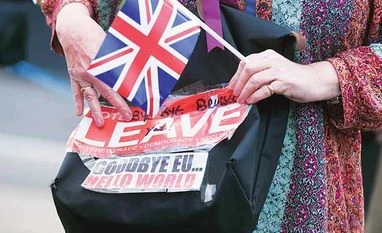
Cameron urged the EU leaders to consider reforming the rules of freedom of movement, which was one of the driving issues behind the surprise success of the "Leave" campaign and a concern that is shared by eurosceptics in other countries.
But European powers are loath to give Britain an easy ride as it leaves the EU, partly because they do not want to send a signal to other countries that may eventually head in the same direction.

 "Brexit: EU meets without Britain for first time since referendum vote")


 Connect with us on WhatsApp