Carlos Ghosn hid scale of Nissan salary, fearing dismissal from Renault
Carlos Ghosn concealed the scale of his compensation at Nissan because he feared the French government would force him out of Renault if it discovered how much he earned, a court was told
Reuters TOKYO TOKYO (Reuters) - Carlos Ghosn concealed the scale of his compensation at Nissan because he feared the French government would force him out of Renault if it discovered how much he earned, an executive at the Japanese carmaker told a Tokyo court on Thursday.
Hari Nada, a former Nissan vice president in charge of legal affairs, is a key whistleblower in the case brought by Japanese prosecutors against former Nissan and Renault boss Ghosn, who was arrested in 2018.
Nada was testifying at the trial of former Nissan executive Greg Kelly who is charged with helping Ghosn hide 9.3 billion yen ($89 million) in compensation over eight years through deferred payments after Japan introduced new rules requiring executives to disclose payments above 1 billion yen.
Kelly has pleaded not guilty. He has been on bail in Japan since his release from jail in 2018 and is facing trial without Ghosn because his co-accused fled to Lebanon in December 2019.
Ghosn, who was one of the world's most prominent auto bosses as head of the Renault-Nissan-Mitsubishi alliance, has denied wrongdoing. He says he is the victim of a boardroom coup by former Nissan colleagues worried he would push through a merger between Nissan and Renault, its largest shareholder.
Nada told the court that Ghosn had concealed his true compensation because he feared the repercussions in France. He said Kelly had given him this information.
"He (Ghosn) didn't want to be fired. If he paid himself what he wanted and that was disclosed, the French state would have felt obliged to fire him," said Nada, who agreed to cooperate with Japanese prosecutors in return for immunity from prosecution.
A person close to Ghosn dismissed the notion that he had feared being forced out over his pay levels.
France's economy ministry declined to comment.
Nada was demoted following Ghosn's arrest.
Ghosn is also charged with enriching himself through $5 million in payments to a Middle East car dealership, and for a breach of trust for temporarily transferring personal financial losses to his employer's books. He denies any wrongdoing.
Kelly's trial could take about a year. If found guilty he could face up to 10 years in prison and a 10-million-yen fine.
(Reporting by Tim Kelly; Additional reporting by Gwenaelle Barzic and Sarah White in Paris; Editing by Pravin Char)
(Only the headline and picture of this report may have been reworked by the Business Standard staff; the rest of the content is auto-generated from a syndicated feed.)

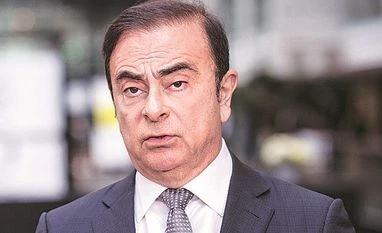 "Carlos Ghosn hid scale of Nissan salary, fearing dismissal from Renault")

