China is pushing U.S. President Donald Trump to remove more tariffs imposed in September as part of a "phase one" U.S.-China trade deal, people familiar with the negotiations said on Monday.
The deal, which may be signed later this month by Trump and Chinese President Xi Jinping at a yet-to-be determined location, is widely expected to include a U.S. pledge to scrap tariffs scheduled for December 15 on about $156 billion worth of Chinese imports, including cell phones, laptop computers and toys.
A U.S. official said the fate of the December 15 tariffs is being considered as part of negotiations and a potential signing trip this month.
Another source briefed on the talks said Chinese negotiators want Washington to drop 15 per cent tariffs on about $125 billion worth of Chinese goods that went into effect on September 1. They are also seeking relief from earlier 25 per cent tariffs on about $250 billion of imports from machinery and semiconductors to furniture.
A person familiar with Beijing's negotiating position said that China is continuing to press Washington to "remove all tariffs as soon as possible."
China's request to remove the September 1 duties was earlier reported by Politico, citing sources. The Financial Times newspaper also reported that the White House was considering whether to roll back the September 1 tariffs, which cover some clothing items, flat-screen televisions, smart speakers and Bluetooth headphones.
Ralph Winnie, director of the China program at the Eurasia Center, said wrapping up the interim trade pact would provide a boost to both the U.S. and Chinese economies, while handing Trump an important win among farmers - a core constituency.
"It's in both countries' interest to have this trade deal," Winnie said. "If he seals the deal, it will be looked on very favorably by the American people. It's a win-win for both countries."
COPYRIGHTS, NOT SUBSIDIES
Since Trump took office in 2017, his administration has been pressing China to curb massive subsidies to state-owned firms and end the forced transfer of American technology to Chinese firms as a price of doing business in China.
Analysts say the phase one deal will fail to adequately address these issues, focusing largely on Chinese purchases of U.S. farm goods and intellectual property protections related to copyright and trademark issues. It will not address industrial subsidies at all.
Charles Boustany, a former congressman from Louisiana and counselor at the National Bureau of Asian Research, said any initial agreement would likely be short-term in nature and unstable.
"Even though there's some talk about a phase one agreement, we don't think its going to be substantive in terms of addressing any of the structural problems," he said. "It would largely be a status quo situation where China continues to do what it's doing."

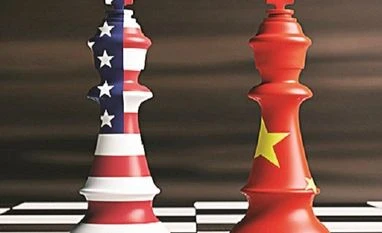 "China pushing Trump to remove more tariffs in 'phase one' trade deal")












 Connect with us on WhatsApp