
China's repressive policies in Tibet and Xinjiang exposed at UNHRC
Aaron Magunna, a research analyst at European Foundation for South Asian Studies (EFSAS), told the Council that Uighurs in Xinjiang face even more severe repression
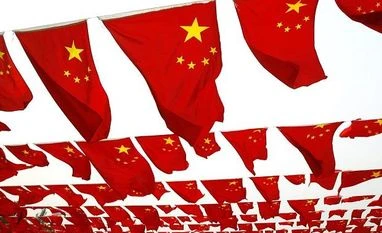 "China's repressive policies in Tibet and Xinjiang exposed at UNHRC")
Explore Business Standard
Aaron Magunna, a research analyst at European Foundation for South Asian Studies (EFSAS), told the Council that Uighurs in Xinjiang face even more severe repression
A research analyst exposed China's repressive policies in Tibet and Xinjiang during the 52nd Session of Human Rights Council in Geneva.
Aaron Magunna, a research analyst at European Foundation for South Asian Studies (EFSAS), who made his intervention in Interactive dialogue with the Special Rapporteur on minority issues, said: "The recent report by the Special Rapporteur on minority issues has once again put the spotlight on the discrimination many minorities face in the world today. Discrimination, the report highlights, is the result of both state policy and international indifference".
He added: "Discrimination against Tibetans and Uyghurs in China illustrates this. The report notes that Tibetan children are routinely separated from their families and sent to residential schools. These schools are part of a broader policy that seeks to Sinicize the Tibetan population, eroding its unique religious, linguistic, and cultural identity".
Aaron told the Council that Uighurs in Xinjiang face even more severe repression.
"A 2022 UN report has noted serious human rights violations against the Uyghur population, including forced labour, systemic sexual violence, and eugenics programs. In Xinjiang, cultural destruction is a defining part of the modus operandi of state institutions," he said.
The research analyst said the Chinese government is the immediate perpetrator of these crimes. However, the international community and UN bodies enable them. The 2023 report notes that minorities are "left behind" at the UN by not being made an organizational priority. Minority rights are human rights, and UN institutions have largely failed minorities.
"The UN's approach toward minorities creates a vacuum in which the violations against Chinese minorities are situated. The UN's legitimacy rests upon its ability to deliver human rights for all. Both the UN and its member states must bolster their efforts to hold States accountable for the human rights violations they commit against their populations," said Aaron.
(Only the headline and picture of this report may have been reworked by the Business Standard staff; the rest of the content is auto-generated from a syndicated feed.)
First Published: Mar 24 2023 | 7:25 AM IST

