Egypt's government today shortened a widely-imposed evening curfew, signalling that authorities sense turmoil is waning after unrest following president's ouster threatened to destabilise the country this month.
The Cabinet's decision to cut the curfew by two hours came as Egypt's interim prime minister vowed that his government's priority is restoring security.
Egypt experienced one of the deadliest bouts of violence in recent days since its Arab Spring began in 2011. Nationwide clashes and attacks killed more than 1,000 people after the security forces cleared two Cairo sit-ins belonging to supporters of toppled President Mohammed Morsi, overthrown in a popularly supported July 3 military coup.
Since the unrest spiked, much of Egypt has been under a military-imposed nighttime curfew. Responding to citizens' demands, the government said in a statement today that the 11 hour-long curfew would be in place daily for just nine hours.
However, the full curfew would remain in place for Fridays, the first day of the weekend in Egypt and when last week's protests were incredibly fierce.
The easing of the curfew was announced a day after calls for protests by Morsi's Muslim Brotherhood group largely fizzled out.
The announcement today came as many were rushing to try to make it home before the curfew hours began. The curfew especially has choked Cairo's bustling night life and the revenue of many businesses, hotels and restaurants.
In recent days, Cairo, a metropolis of some 18 million people, began to regain a sense of normalcy. The capital, however, remains under a state of emergency that gives security forces broad powers to arrest.
Security forces have used those powers to go after the Brotherhood's top and midlevel figures, including the group's supreme leader Mohammed Badie. Most are being accused of inciting violence. Authorities have alleged that Morsi supporters are committing acts of terrorism and point to a string of attacks against churches and government buildings.
Morsi supporters deny their protests are violent, accusing authorities of smearing their movement and trying to cripple the once-powerful party.
Meanwhile, Prime Minister Hazem el-Beblawi told reporters he will not accept people feeling unsafe.
"We are sorry for the number of injured... And we are all extremely sad for each drop of blood," el-Beblawi said. "But if the price is that people don't feel secure... We won't accept that.

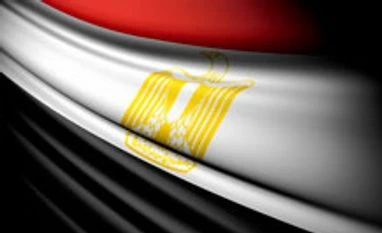 "Egypt shortens curfew as unrest over coup wanes")


 Connect with us on WhatsApp