A regular client of the International Monetary Fund (IMF), investors are asking whether Pakistan’s 13th loan programme since the late 1980s will finally break a cycle of financial crashes and bailouts.
Pakistan’s history of taking the lender’s money while dragging its heels on economic reforms suggest otherwise. With Islamabad now formally requesting IMF aid — seeking to raise $6 billion to more than $12 billion — it will also face more scrutiny over debt owed to China. US Secretary of State Mike Pompeo has said he will oppose any use of IMF funding to repay loans to Beijing.
“Their conditions will be tougher and we’ll have to pay the price,” said Nadeem Ul Haque, the ex-deputy chairman of Pakistan’s Planning Commission and a former economist at the IMF. “We’ve kept postponing solutions and not taking bold steps —the cancer has been in the body since the 1960s.”
Pakistan has regularly failed to meet conditions attached to its previous IMF loans — for example trimming spending and privatising bloated state-owned corporations. The nation has only ever managed to successfully complete one IMF programme, meaning it received all the disbursements as planned, on a $6.6 billion three-year facility that ended in 2016. Even then, a number of requirements, were relaxed.
Economists have pointed to decades of inaction against widespread tax dodging across all levels of society handing the country one of the lowest tax-to-GDP ratios in Asia. In addition, the country has failed to revamp key export industries, such as textiles — which have lost out to regional neighbors like Bangladesh — or fix an energy system straining under more than Rs 1 trillion ($7.6 billion) of debt.
“Pakistan needs to work on structural problems now so they can avoid another IMF programme,” said Kimihide Ando, the chief executive officer of Mitsubishi Corp.’s Pakistan unit. “It’s just sheer will. The solutions are known including industrialisation that has been declining in Pakistan.”
Read this article for free
Register to continue reading premium journalism and analysis from Business Standard.

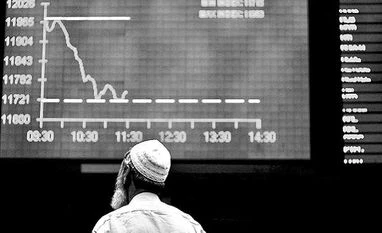 "For Pakistan's 13th IMF bailout programme, expect tougher conditions")












 Connect with us on WhatsApp