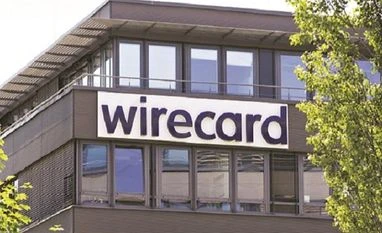
Germany lays out reform of banking watchdog after Wirecard fraud
The acknowledgement of problems was a fresh indictment of Germany's supervision of a company that began by processing payments for gambling and pornography before becoming a star of fintech
Michael Nienaber | Reuters BERLIN The German finance ministry will give its BaFin banking watchdog more powers to spot and investigate misconduct at companies it supervises and make it more agile in responding to warnings from whistleblowers to prevent another Wirecard scandal.
The proposals, presented on Tuesday by Finance Minister Olaf Scholz and his deputy Joerg Kukies, build on a package of reforms to financial and accounting rules agreed last year and follow the removal of Felix Hufeld as BaFin head last Friday.
"Now we're making the next important step: the reform of the Bafin," Scholz told reporters in Berlin. "I want a financial watchdog which has more bite."
The acknowledgement of problems was a fresh indictment of Germany's supervision of a company that began by processing payments for gambling and pornography before becoming a star of "fintech" - financial technology - and finally Germany's biggest fraud case.
A parliamentary inquiry into the implosion of the payments company which was once worth $28 billion and hailed as a German success story has embarrassed Chancellor Angela Merkel's governing centrist coalition ahead of elections in September.
Scholz and Kukies both acknowledged that BaFin needed to improve its structure by establishing a focus group of experts with more expertise on banking oversight who would be in charge of monitoring risks and detecting bad behaviour.
The focus group will be flanked by a new task force with officers who will have the powers to get involved quickly and start forensic investigations in cases where a company's behaviour or finances are suspect, Scholz added.
The goal was to also improve BaFin's receptiveness for warnings from external experts such as whistleblowers, journalists or traders. "Information from whistleblowers is particularly valuable," Scholz said.

 "Germany lays out reform of banking watchdog after Wirecard fraud")

