Japan's manufacturing activity growth softens in December: Report

The final au Jibun Bank Japan Manufacturing Purchasing Managers' Index (PMI) in December fell to 54.3 on a seasonally adjusted basis, easing from the previous month's 54.5
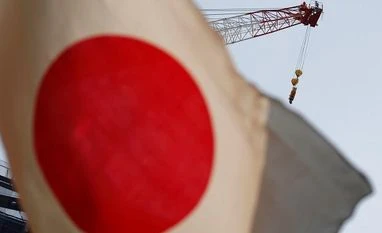
Japan
Photo: Reuters
Reuters Tokyo
2 min read Last Updated : Jan 04 2022 | 8:38 AM IST
Japan's manufacturing activity grew for an 11th straight month in December, but at a slower pace than in the prior month as output and new order growth softened while cost pressures stayed elevated.
 
Businesses benefited from the weakening impact of the coronavirus pandemic as they shook off some of the drag of the health crisis, though new export sales growth eased amid a rise in Covid-19 cases in South Korea.
 
The final au Jibun Bank Japan Manufacturing Purchasing Managers' Index (PMI) in December fell to 54.3 on a seasonally adjusted basis, easing from the previous month's 54.5.
 
The figure, which compared with a 54.2 flash reading, still pointed to a solid improvement in operating conditions in the manufacturing sector.
 
"Domestic markets were buoyed by a gradual recovery from the Covid-19 pandemic," said Usamah Bhatti, economist IHS Markit, which compiles the survey.
 
A recovery in parts supplies eased some of the strains in car manufacturing, even as high-tech chips remain in great demand around the world.
 
But foreign orders for Japanese manufactured goods saw their growth rate soften compared to the average for the year as a whole as a sharp rise in coronavirus infections, especially in South Korea, hurt demand, the survey showed.
 
Japan's economy suffered from the global chip supply shortage in the third quarter of 2021, declining an annualised 3.6% in part due to a blow to output and exports in that quarter from production bottlenecks.
 
While output is expected to rebound in the final quarter last year, manufacturers' average lead times across that period registered their worst quarterly performance since the survey began, Bhatti said.
 
"Though still optimistic, Japanese goods producers were wary of the continued impact of the pandemic and supply chain disruption, which resulted in confidence dipping to the softest since August," he added.
 

One subscription. Two world-class reads.

Already subscribed? Log in

Subscribe to read the full story →
*Subscribe to Business Standard digital and get complimentary access to The New York Times

Smart Quarterly

₹900

3 Months

₹300/Month

SAVE 25%

Smart Essential

₹2,700

1 Year

₹225/Month

SAVE 46%
*Complimentary New York Times access for the 2nd year will be given after 12 months

Super Saver

₹3,900

2 Years

₹162/Month

Subscribe

Renews automatically, cancel anytime

Here’s what’s included in our digital subscription plans

Exclusive premium stories online

  • Over 30 premium stories daily, handpicked by our editors

Complimentary Access to The New York Times

  • News, Games, Cooking, Audio, Wirecutter & The Athletic

Business Standard Epaper

  • Digital replica of our daily newspaper — with options to read, save, and share

Curated Newsletters

  • Insights on markets, finance, politics, tech, and more delivered to your inbox

Market Analysis & Investment Insights

  • In-depth market analysis & insights with access to The Smart Investor

Archives

  • Repository of articles and publications dating back to 1997

Ad-free Reading

  • Uninterrupted reading experience with no advertisements

Seamless Access Across All Devices

  • Access Business Standard across devices — mobile, tablet, or PC, via web or app

Topics :CoronavirusJapanManufacturing activityfactory activityeconomic growthPMI

Next Story



