May faces calls to tighten takeover rules

Politicians of all stripes say more British companies may be vulnerable
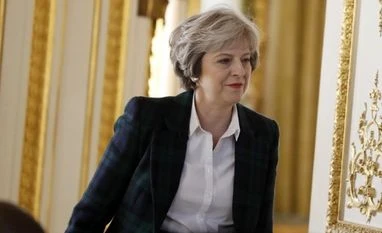
Theresa, May, Britain, UK
Theresa May
Robert HuttonAlex Morales
Last Updated : Feb 23 2017 | 1:38 AM IST
UK Prime Minister Theresa May came under pressure to tighten takeover rules, and do so quickly, in the wake of the failed Kraft Heinz bid for Unilever Plc.

“I use the expression sitting ducks, and I’d worry about who’s next,” Vince Cable, Business Secretary until 2015, said in an interview. “We have very weak takeover code in the UK. The public interest tests are too narrow.”

Politicians of all stripes say more British companies may be vulnerable, exposed to a weakened pound that makes them cheaper to foreign investors. All this while May’s government is eager to show that the UK is open for business, even as it prepares to redraw its relationship with its closest trading partners in the EU. The $143-billion offer, announced Friday, was then abandoned on Sunday. Even if May had wanted to act against the Unilever approach, her powers are limited.

Britain’s takeover code allows interventions only if competition, media plurality, national security or financial stability might be put at risk. The code should be extended beyond that, said Chuka Umunna, an opposition Labour lawmaker and the party’s former business spokesman. “There is an argument for expanding that to cover transactions which will have a material impact on the economy and affect our research and development and innovation base, which is, after all, how we’re going to compete in the future,” Umunna told a panel discussion organised by the policy analyst ResPublica in Parliament on Tuesday.

Company directors should be “empowered to take a long-term view” so they “don’t feel that they must recommend to shareholders that they accept a takeover bid simply because in the short term they have been offered a high price,” he said.

It’s a point of view May might agree with. Last year, in one of only two speeches in her brief campaign to become prime minister, she identified Kraft’s 2010 takeover of Cadbury Plc as an example of the kind of deal that hurts staff in a target company and should have been blocked.

Alison McGovern, a Labour lawmaker whose district includes a Unilever plant, spent the weekend thinking about ways to fight the Kraft approach.
Bloomberg

One subscription. Two world-class reads.

Already subscribed? Log in

Subscribe to read the full story →
*Subscribe to Business Standard digital and get complimentary access to The New York Times

Smart Quarterly

₹900

3 Months

₹300/Month

SAVE 25%

Smart Essential

₹2,700

1 Year

₹225/Month

SAVE 46%
*Complimentary New York Times access for the 2nd year will be given after 12 months

Super Saver

₹3,900

2 Years

₹162/Month

Subscribe

Renews automatically, cancel anytime

Here’s what’s included in our digital subscription plans

Exclusive premium stories online

  • Over 30 premium stories daily, handpicked by our editors

Complimentary Access to The New York Times

  • News, Games, Cooking, Audio, Wirecutter & The Athletic

Business Standard Epaper

  • Digital replica of our daily newspaper — with options to read, save, and share

Curated Newsletters

  • Insights on markets, finance, politics, tech, and more delivered to your inbox

Market Analysis & Investment Insights

  • In-depth market analysis & insights with access to The Smart Investor

Archives

  • Repository of articles and publications dating back to 1997

Ad-free Reading

  • Uninterrupted reading experience with no advertisements

Seamless Access Across All Devices

  • Access Business Standard across devices — mobile, tablet, or PC, via web or app

Next Story



