
New AstraZeneca tie-up to explore vaccine tech for cancer, heart disease
An Imperial College London start-up has tied up with British-Swedish biopharmaceutical major AstraZeneca to explore the therapeutic uses of its vaccine technology
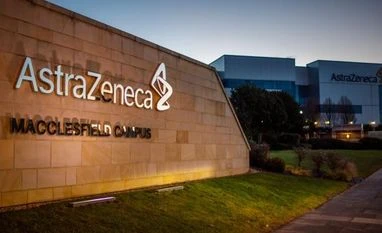 "New AstraZeneca tie-up to explore vaccine tech for cancer, heart disease")
WebinarsNew
Deep DiveNew
Explore Business Standard
An Imperial College London start-up has tied up with British-Swedish biopharmaceutical major AstraZeneca to explore the therapeutic uses of its vaccine technology
An Imperial College London start-up has tied up with British-Swedish biopharmaceutical major AstraZeneca to explore the therapeutic uses of its vaccine technology, used to fight the coronavirus pandemic, for other ailments such as cancer and heart disease.
VaxEquity was founded in 2020 by Imperial's Professor Robin Shattock and Morningside Ventures to develop transformative RNA therapeutics using its next generation saRNA platform.
The collaboration, unveiled last week, will explore how the cutting edge saRNA technology can be optimised and applied across various therapy areas, such as infectious diseases, oncology and respiratory.
We have all seen how technologies based around RNA have been fundamental to preventing ongoing severe disease and death in major global pandemics, said Professor Shattock, Head of Immunology of Infection within the Department of Infectious Disease at Imperial College London.
The prospect of further therapeutic applications adds to this technology's great potential, he said.
Imperial's saRNA platform is based on temporary genetic code, called messenger RNA, which can be used to train the immune system to recognise and respond to threats, such as a virus.
RNA-based platforms have been used successfully in a number of licensed vaccines for COVID-19.
However, saRNA is different in that once injected into muscle, the RNA message makes copies of itself or self amplifies, generating more of the original message.
This means it can produce consistent and strong immune responses at a fraction of the dose of other RNA vaccines.
As part of the collaboration, AstraZeneca will aim to develop and optimise the saRNA platform and apply it to a range of disease areas. The agreement will support VaxEquity with research and development funding for up to 26 drug targets.
Michael Watson, Executive Chair of VaxEquity, said: With our self-amplifying RNA platform, we aim to underpin the next generation of RNA-delivered medicines enabling not only vaccines but also a broad range of therapeutic applications.
This collaboration will help realise our ambition of building a lasting legacy from the great scientific advances Imperial made in this pandemic, added Professor Alice Gast, President of Imperial College London.
(Only the headline and picture of this report may have been reworked by the Business Standard staff; the rest of the content is auto-generated from a syndicated feed.)
First Published: Sep 28 2021 | 10:08 PM IST

