
Oil prices fall as growing US stockpiles signal bumpy demand recovery
US West Texas Intermediate (WTI) crude futures fell 24 cents, or 0.63%, to $37.81 a barrel at 0417 GMT, after climbing 3.5% on Wednesday
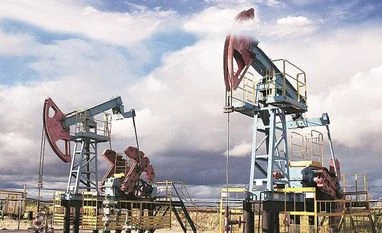 "Oil prices fall as growing US stockpiles signal bumpy demand recovery")
WebinarsNew
Deep DiveNew
Explore Business Standard
US West Texas Intermediate (WTI) crude futures fell 24 cents, or 0.63%, to $37.81 a barrel at 0417 GMT, after climbing 3.5% on Wednesday
By Shu Zhang and Sonali Paul
SINGAPORE/MELBOURNE (Reuters) - Oil prices slid on Thursday after data showed U.S. crude stockpiles unexpectedly rose last week, stoking concern about a sluggish recovery in fuel demand as coronavirus cases continue to surge in many countries.
U.S. West Texas Intermediate (WTI) crude futures fell 24 cents, or 0.63%, to $37.81 a barrel at 0417 GMT, after climbing 3.5% on Wednesday.
Brent crude futures dropped 17 cents, or 0.42% to $40.62 a barrel, after rising 2.5% on Wednesday.
The oil market is under pressure on the prospect of both subdued demand and rising supply, ANZ analysts said in a note. The U.S. Energy Information Administration (EIA) will release official weekly inventory data later on Thursday, a day later than normal following this week's U.S. Labor Day holiday.
"(Refinery) maintenance season and a cautious approach from refiners should keep crude oil demand soft," the bank said, referring to regular scheduled outages at oil processing complexes.
ANZ also said China's imports are likely to level off as 'teapot', or independent refineries, reach their maximum annual crude import quotas.
With coronavirus cases rising in several U.S. states, the country's crude stockpiles rose by 3 million barrels in the week to Sept. 4, data from the American Petroleum Institute (API) showed on Wednesday. That compared with analysts' forecasts of a draw of 1.4 million barrels.
"If the EIA confirms a crude oil build later today, it would be the first U.S. stock build since mid-July," ING analysts said.
The EIA already cut its 2020 world oil demand growth forecast by 210,000 barrels per day to 8.32 million bpd.
In a further bearish sign, leading commodity traders are booking tankers to store crude oil and diesel on the water, with supply outpacing consumption, according to trading sources and shipping data.
The rising stockpiles come ahead of a meeting on Sept. 17 of the market monitoring panel of the Organization of the Petroleum Exporting Countries (OPEC) and allies including Russia, together known as OPEC+, which in August trimmed supply curbs from earlier this year on expectations demand would improve.
"This issue will be front and centre ... next week, where we expect a strong statement that if markets continue to weaken, the producer group will be prepared to trim output further," Citi analysts said in a note.
(Reporting by Shu Zhang and Sonali Paul; Editing by Kenneth Maxwell)
(Only the headline and picture of this report may have been reworked by the Business Standard staff; the rest of the content is auto-generated from a syndicated feed.)
First Published: Sep 10 2020 | 10:47 AM IST


 Connect with us on WhatsApp