Philippines approves revival of nuclear power to help replace coal

Philippine President Rodrigo Duterte has signed an executive order to include nuclear power in the country's energy mix
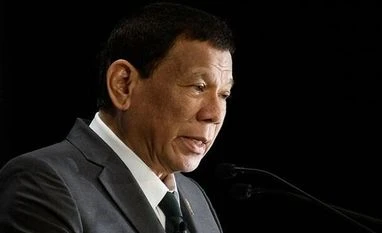
Philippine President Rodrigo Duterte (Photo: Bloomberg)
Reuters
2 min read Last Updated : Mar 03 2022 | 11:28 AM IST
Philippine President Rodrigo Duterte has signed an executive order to include nuclear power in the country's energy mix, as authorities prepare for the phasing out of coal-fired power plants and after earlier efforts failed due to safety concerns.
 
The Feb. 28 order, made public on Thursday, could be a major milestone for an economy which suffers seasonal power outages and high electricity prices but will concern opponents of the move.
 
Signed three months before Duterte ends his single six-year term, the order also directs an inter-agency panel to look into reopening the mothballed Bataan Nuclear Power Plant (BNPP).
 
"The national government commits to the introduction of nuclear power energy into the state's energy mix," it stated.
 
Energy Secretary Alfonso Cusi has backed nuclear power and said it could help alleviate supply issues and high costs.
 
Duterte said nuclear power would be tapped as a viable alternative baseload power source as the Philippines seeks to retire coal plants to help meet climate goals.
 
Previous attempts to pursue nuclear energy in the Philippines were halted over safety concerns, but the new plan is anchored to a proposal to revive BNPP, built in response to an energy crisis during the rule of the dictator Ferdinand Marcos.
 
Completed in 1984, the plant was mothballed two years later following Marcos' ouster and the deadly Chernobyl nuclear disaster.
 
Since 2009, BNPP has operated as a tourist attraction, helping defray the cost of maintaining it.
 
"The Duterte administration is about to leave a tarred legacy and is setting us up for another horror story like Chernobyl and Fukushima," Greenpeace campaigner Khevin Yu said, referring to the world's worst nuclear disasters.
 
Energy Undersecretary Gerardo Erguiza Jr said a regulatory framework for nuclear power still required legislation and its future also hinged on the agenda of the next administration.
 
The late dictator's son, Ferdinand Marcos Jr, who is the front-runner in the May presidential election, has said he plans to "revisit" the BNPP project, local media has reported.

One subscription. Two world-class reads.

Already subscribed? Log in

Subscribe to read the full story →
*Subscribe to Business Standard digital and get complimentary access to The New York Times

Smart Quarterly

₹900

3 Months

₹300/Month

SAVE 25%

Smart Essential

₹2,700

1 Year

₹225/Month

SAVE 46%
*Complimentary New York Times access for the 2nd year will be given after 12 months

Super Saver

₹3,900

2 Years

₹162/Month

Subscribe

Renews automatically, cancel anytime

Here’s what’s included in our digital subscription plans

Exclusive premium stories online

  • Over 30 premium stories daily, handpicked by our editors

Complimentary Access to The New York Times

  • News, Games, Cooking, Audio, Wirecutter & The Athletic

Business Standard Epaper

  • Digital replica of our daily newspaper — with options to read, save, and share

Curated Newsletters

  • Insights on markets, finance, politics, tech, and more delivered to your inbox

Market Analysis & Investment Insights

  • In-depth market analysis & insights with access to The Smart Investor

Archives

  • Repository of articles and publications dating back to 1997

Ad-free Reading

  • Uninterrupted reading experience with no advertisements

Seamless Access Across All Devices

  • Access Business Standard across devices — mobile, tablet, or PC, via web or app

Topics :Philippinesenergy sectornuclear power

Next Story



