Snowden says he took no secret documents to Russia
He also insisted that he was able to protect the documents from China's spy services
AFPPTI Washington US intelligence leaker Edward Snowden says he did not bring any secret documents with him to Russia when he fled there, ensuring Moscow had no access to the files.
In an interview with The New York Times published yesterday, Snowden said he gave all the classified papers he had obtained to reporters he met in Hong Kong before flying to Moscow, where he later secured asylum.
The former National Security Agency contractor did not take the documents with him "because it wouldn't serve the public interest," Snowden told the Times.
"What would be the unique value of personally carrying another copy of the materials onward?"
Snowden also insisted he was able to protect the documents from China's spy services because he was familiar with that country's intelligence capabilities through his work as an NSA contractor.
In his job, he had targeted Chinese operations and taught a course on Chinese cyber-counterintelligence.
"There's a zero per cent chance the Russians or Chinese have received any documents," he said.
The interview took place last week over several days through encrypted online communications.
US officials and critics of Snowden have expressed concern that the documents in his possession could have fallen into the hands of Russian, Chinese or other potentially hostile foreign intelligence agencies.
Snowden, however, insisted the National Security Agency knew he had not cooperated with Russian or Chinese spies.
"NSA has not offered a single example of damage from the leaks. They haven't said boo about it except 'we think,' 'maybe,' 'have to assume' from anonymous and former officials," Snowden added.
"Not 'China is going dark.' Not 'the Chinese military has shut us out.'"
Snowden also said he never considered defecting while in Hong Kong or Russia, where he has been given asylum for one year.
Snowden said his decision to leak secret documents evolved gradually, and that his doubts about intelligence agencies dated back to his time working for the CIA in Geneva.
He said he clashed with a senior manager when he tried to warn the CIA about a vulnerability in its personnel Web applications.
The episode convinced him that trying to work through the system would only lead to punishment.
The 30-year-old, who faces espionage charges over his bombshell leaks, defended his disclosures as serving the country's interests by sparking a public debate and informing the public about secret surveillance.

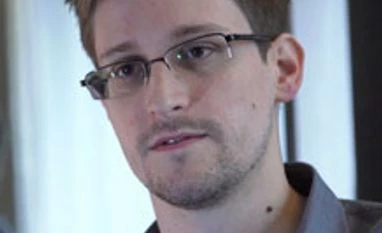 "Snowden says he took no secret documents to Russia")


 Connect with us on WhatsApp