
Turkish Cypriots vote to pick leader as stakes soar in Mediterranean
The stakes have soared as a battle over energy rights in the eastern Mediterranean has intensified over the last year
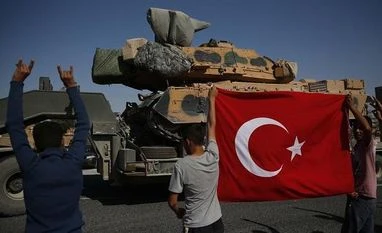 "Turkish Cypriots vote to pick leader as stakes soar in Mediterranean")
WebinarsNew
Deep DiveNew
Explore Business Standard
The stakes have soared as a battle over energy rights in the eastern Mediterranean has intensified over the last year
Turkish Cypriots began voting Sunday in a leadership runoff to choose between an incumbent who pledges a course less bound by Turkey's dictates and a challenger who favours even closer ties to Ankara.
The stakes have soared as a battle over energy rights in the eastern Mediterranean has intensified over the last year. Veteran incumbent Mustafa Akinci, 72, is a champion of Turkish Cypriots who oppose
Turkey's complete domination of their affairs. His hard-line challenger Ersin Tatar, 60, advocates fully aligning Turkish Cypriot with Turkish policies.
The Mediterranean island nation of Cyprus was split in 1974 when Turkey invaded after a coup by supporters of union with Greece. Only Turkey recognizes a breakaway Turkish Cypriot state in the north that is economically and militarily dependent on Ankara.
The island's internationally recognized government has its seat in the Greek Cypriot south and is part of the 27-nation European Union.
The tussle between Turkish Cypriots who seek to retain more say in how they're governed and those who want to walk in lockstep with Turkey has been a prominent feature in past leadership races.
But this contest seems more polarized than ever. Akinci has alleged that Turkey has engaged in unprecedented interference throughout the campaign in favor of Tatar and that he and his family received threats to drop out of the race.
Tatar edged out Akinci in the first round of voting by less than three percentage points. Akinci appears to have an edge after clinching support from the third-place candidate. But analyst Tumay Tugyan says the contest could go either way as Tatar courted a significant pool of voters from the approximately 200,000-strong electorate especially in rural areas who may not have voted in the first round.
A first test for the winner will be a meeting with Greek Cypriots and Cyprus' 'guarantors' Greece, Turkey and Britain that U.N. Secretary-General Antonio Guterres is expected to be called soon. The aim will be to figure out if there's enough common ground to restart dormant peace talks.
Nearly five decades of U.N. facilitated attempts at achieving reunification based on a federal framework have failed.
Akinci believes that federation is the only way toward a peace accord. Tatar shares Ankara's view that federation may not be the most viable option and alternatives such as a two-state deal should be pursued.
(Only the headline and picture of this report may have been reworked by the Business Standard staff; the rest of the content is auto-generated from a syndicated feed.)
First Published: Oct 18 2020 | 6:53 PM IST


 Connect with us on WhatsApp