UK economy shrank in August, now on brink of recession: Report

Weakness in manufacturing and maintenance work in North Sea oil and gas fields contributed to a 0.3% fall in GDP from July, and the report also showed how a jump in inflation was hitting consumers

UK
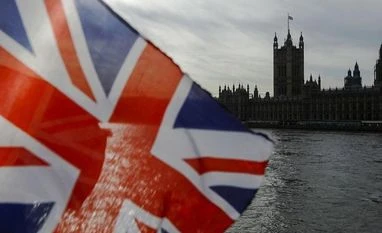
Photo: Bloomberg
Reuters
2 min read Last Updated : Oct 12 2022 | 11:32 PM IST
Britain's economy looks set to go into recession as data showed it unexpectedly shrank in August, underscoring the challenge for Prime Minister Liz Truss to make good on her promises to speed up growth.
 
Weakness in manufacturing and maintenance work in North Sea oil and gas fields contributed to a 0.3 per cent fall in gross domestic product from July, and the report also showed how a jump in inflation was hitting consumers.
 
A Reuters poll of economists had pointed to zero growth.
 
July's increase in output was revised down to 0.1 per cent from a previous estimate of 0.2 per cent, and in the three months to August GDP fell 0.3 per cent, its first decline since early 2021 when the country was mired in the coronavirus crisis.
 
“The ongoing squeeze on household finances continues to weigh on growth, and likely to have caused the UK economy to enter a technical recession from the third quarter of this year,” Yael Selfin, chief economist at KPMG UK, said.
 
The economy was now believed to be back at its size just before the pandemic, having previously been estimated at 1.1 per cent above that, the Office for National Statistics said. Manufacturing fell by 1.6 per cent from July and more maintenance than unusual in the North Sea hit the mining and quarrying sector which includes oil and gas. It slumped by 8.2 per cent.
 
“Many other consumer-facing services struggled, with retail, hairdressers and hotels all faring relatively poorly,” ONS Chief Economist Grant Fitzner said.
 
GDP in September is likely to be weakened by a one-off public holiday to mark the funeral of Queen Elizabeth.
 
Further ahead, Britain's economy looks set to slow sharply as surging inflation hits households and forces the Bank of England to raise interest rates quickly, even as activity stagnates. Samuel Tombs, an economist with Pantheon Macroeconomics, said around one-third of households no longer had meaningful savings and the 30 per cent with a mortgage were likely to reduce expenditure as borrowing costs went up.

One subscription. Two world-class reads.

Already subscribed? Log in

Subscribe to read the full story →
*Subscribe to Business Standard digital and get complimentary access to The New York Times

Smart Quarterly

₹900

3 Months

₹300/Month

SAVE 25%

Smart Essential

₹2,700

1 Year

₹225/Month

SAVE 46%
*Complimentary New York Times access for the 2nd year will be given after 12 months

Super Saver

₹3,900

2 Years

₹162/Month

Subscribe

Renews automatically, cancel anytime

Here’s what’s included in our digital subscription plans

Exclusive premium stories online

  • Over 30 premium stories daily, handpicked by our editors

Complimentary Access to The New York Times

  • News, Games, Cooking, Audio, Wirecutter & The Athletic

Business Standard Epaper

  • Digital replica of our daily newspaper — with options to read, save, and share

Curated Newsletters

  • Insights on markets, finance, politics, tech, and more delivered to your inbox

Market Analysis & Investment Insights

  • In-depth market analysis & insights with access to The Smart Investor

Archives

  • Repository of articles and publications dating back to 1997

Ad-free Reading

  • Uninterrupted reading experience with no advertisements

Seamless Access Across All Devices

  • Access Business Standard across devices — mobile, tablet, or PC, via web or app

Topics :RecessionInflationLiz TrussUK economymanufacturing

Next Story





