
UK supermarket giant Tesco sees profit dented by Covid related costs
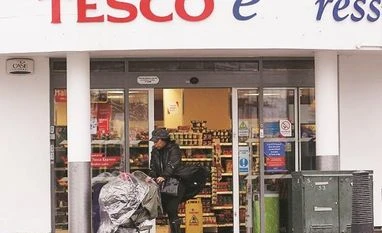
Tesco is Britain's biggest supermarket
 "UK supermarket giant Tesco sees profit dented by Covid related costs")
Explore Business Standard
Tesco is Britain's biggest supermarket
Tesco, Britain's biggest supermarket, said Wednesday its profits slid by a fifth over the past year as higher costs related to the coronavirus pandemic, such as hiring more staff, offset exceptionally strong sales growth.
The company said that its pretax profit for the year to February slid to 825 million pounds (USD 1.14 billion), compared with just over 1 billion pounds the previous year.
Profits were weighed down by 892 million pounds worth of COVID-related costs, including the need to hire staff to cover for workers impacted by the virus. Tesco said it hired almost 50,000 temporary workers during the pandemic, about 20,000 of whom have joined the retailer permanently.
The company also had higher costs related to making sure its stores were safe. Profits were also hit by Tesco's decision to hand back 585 million pounds of tax relief to the British government.
At the start of the pandemic, which hit the U.K. in March 2020, the government offered all types of businesses financial support but some, particularly those in food retailing, gave the money back given that their sales grew during the series of lockdowns in the country.
Like others, Tesco benefited from a jump in demand for groceries during the pandemic, with more meals eaten at home amid restrictions on the hospitality sector and changes to working habits.
In its full-year results statement, Tesco said its sales excluding fuel increased by 7 per cent to 53.4 billion pounds, with online sales jumping by 77 per cent to 6.3 billion in the U.K. as the company doubled delivery capacity to meet rising demand from housebound customers.
Tesco has shown incredible strength and agility throughout the pandemic," said Chief Executive Ken Murphy. While the pandemic is not yet over, we're well-placed to build on the momentum in our business.
Tesco's share price fell around 1.5 per cent following the update as some investors were disappointed by its earnings guidance. Tesco said its best estimate at this stage" is that its retail operating profit will recover to a similar level as in the 2019-20 financial year, the year before the pandemic.
We suspect that may turn out to be an overcautious forecast, but as things stand it has clearly left the market disappointed, said Nicholas Hyett, equity analyst at stockbrokers Hargreaves Lansdown.
(Only the headline and picture of this report may have been reworked by the Business Standard staff; the rest of the content is auto-generated from a syndicated feed.)
First Published: Apr 14 2021 | 4:54 PM IST


