US economic growth rebounds in Q3 on trade, but demand is slowing

Gross domestic product increased at a 2.6 per cent annualised rate last quarter, the Commerce Department
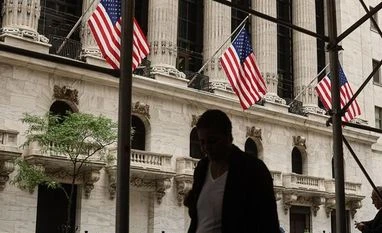
US stocks
Photo: Bloomberg
Lucia Mutikani | Reuters Washington
2 min read Last Updated : Oct 27 2022 | 7:00 PM IST
US economic growth rebounded more than expected in the third quarter amid a continued decline in the trade deficit, but that overstates the economy's health as the Federal Reserve's aggressive interest rate increases curbed consumer spending.

Gross domestic product increased at a 2.6 per cent annualised rate last quarter, the Commerce Department said in its advance GDP estimate on Thursday, ending two straight quarterly decreases in output, which had raised concerns that the economy was in recession.

The economy contracted at a 0.6 per cent pace in the second quarter.

Economists polled by Reuters had forecast GDP growth rebounding at a 2.4 per cent rate. Estimates ranged from as low as a 0.8 per cent rate to as high as a 3.7 per cent pace.

While the economy may not be in recession, the risks of a downturn have increased as the Fed doubles down on rate hikes as it fights the fastest-rising inflation in 40 years. The US central bank has raised its benchmark overnight interest rate from near zero in March to the current range of 3.00 per cent to 3.25 per cent, the swiftest pace of policy tightening in a generation or more.

The report will have little impact on monetary policy, with Fed officials watching September personal consumption expenditures price data and third quarter labor cost numbers due on Friday, ahead of their November 1-2 policy meeting.

The trade deficit narrowed sharply in part as slowing demand curbed the import bill. Exports also increased for much of last quarter. Wild swings in trade and inventories were behind the contraction in GDP in the first half of the year.

Growth in consumer spending, which accounts for more than two-thirds of U.S. economic activity, slowed to 1.4 per cent rate from the April-June quarter's 2.0 per cent pace.

Consumer spending is being supported by a strong labor market, which is driving up wages. The Labor Department reported on Thursday a modest increase in the number of people filing new claims for unemployment benefits last week.

Initial claims for unemployment benefits increased 3,000 to a seasonally adjusted 217,000 for the week ended October 22. Claims have remained significantly low despite reports of companies, mostly in the interest rate-sensitive sectors of the economy, laying off workers.

One subscription. Two world-class reads.

Already subscribed? Log in

Subscribe to read the full story →
*Subscribe to Business Standard digital and get complimentary access to The New York Times

Smart Quarterly

₹900

3 Months

₹300/Month

SAVE 25%

Smart Essential

₹2,700

1 Year

₹225/Month

SAVE 46%
*Complimentary New York Times access for the 2nd year will be given after 12 months

Super Saver

₹3,900

2 Years

₹162/Month

Subscribe

Renews automatically, cancel anytime

Here’s what’s included in our digital subscription plans

Exclusive premium stories online

  • Over 30 premium stories daily, handpicked by our editors

Complimentary Access to The New York Times

  • News, Games, Cooking, Audio, Wirecutter & The Athletic

Business Standard Epaper

  • Digital replica of our daily newspaper — with options to read, save, and share

Curated Newsletters

  • Insights on markets, finance, politics, tech, and more delivered to your inbox

Market Analysis & Investment Insights

  • In-depth market analysis & insights with access to The Smart Investor

Archives

  • Repository of articles and publications dating back to 1997

Ad-free Reading

  • Uninterrupted reading experience with no advertisements

Seamless Access Across All Devices

  • Access Business Standard across devices — mobile, tablet, or PC, via web or app

Topics :US economic growthUnited StatesGross domestic productUS Federal Reserve

Next Story



