
WHO: Amid short supplies, Pfizer-BioNTech doses can be 6 weeks apart
WHO experts issued recommendations that the interval between administration of two doses of the Pfizer-BioNTech vaccine against the coronavirus can be extended to up to six weeks
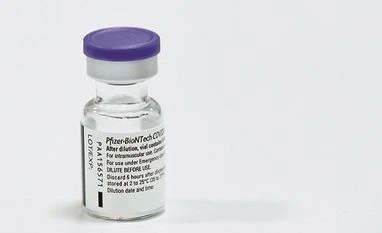 "WHO: Amid short supplies, Pfizer-BioNTech doses can be 6 weeks apart")
WebinarsNew
Deep DiveNew
Explore Business Standard
WHO experts issued recommendations that the interval between administration of two doses of the Pfizer-BioNTech vaccine against the coronavirus can be extended to up to six weeks
World Health Organisation experts on Friday issued recommendations that the interval between administration of two doses of the Pfizer-BioNTech vaccine against the coronavirus can be extended to up to six weeks.
WHO's Strategic Advisory Group of Experts on immunisation, known as SAGE, formally published its advice after a full review of that vaccine, which is the first to get emergency approval from the UN health agency to fight the COVID-19 pandemic. It said an interval of 21 to 28 days between the doses is recommended.
But the UN health agency also noted that a number of countries face exceptional circumstances of vaccine supply constraints combined with a high disease burden, and said some have been considering delaying the administration of a second dose as a way to broaden initial coverage.
The agency said this pragmatic approach could be considered as a response to exceptional epidemiological circumstances.
WHO's recommendation at present is that the interval between doses may be extended up to 42 days (6 weeks), on the basis of currently available clinical trial data, it said, adding: Should additional data become available on longer intervals between doses, revision of this recommendation will be considered.
Hard-hit Britain, for example, has decided to delay for as much as 12 weeks and data from that expansion could help contribute to possible revisions in the WHO recommendation, said WHO spokeswoman Dr. Margaret Harris.
In the recommendations, WHO added that countries seeking to extend the interval should make sure that vaccinated patients can still have access to a second dose.
The agency also said it also does not recommend COVID-19 vaccination of travelers unless they face high risks or qualify as priority cases.
WHO also said symptomatic reinfection by the coronavirus within six months of a first infection is rare, so people who have had the illness within the previous six months may delay vaccination until near the end of this period.
WHO said there was currently no evidence on the need for a booster dose, and said there was no data available on the interchangeability of the Pfizer-BioNTech vaccine with other COVID-19 vaccines. It also cited a lack of evidence about whether vaccination reduces the risk of transmission of the virus to other people.
First Published: Jan 08 2021 | 6:54 PM IST


 Connect with us on WhatsApp