Trust continues to be deterrent in smaller markets: 1-India Family Mart CEO

Consumers from tier-II/III/IV geographies still prefer making planned purchases that are affordable, says the CEO
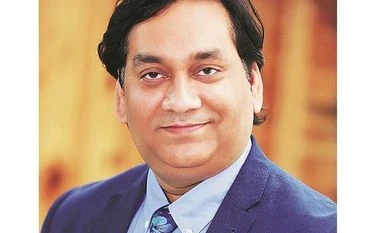
JP Shukla, co-founder & CEO, 1-India Family Mart
Subhomoy Sikdar
4 min read Last Updated : Jul 31 2019 | 10:55 PM IST
A bulk of your business comes from tier-II, III and IV cities, but of late consumer demand across categories has been sluggish in the country. How do you see it shaping up in the next few months?

Well, we did experience weak sales last year due to erratic weather conditions during winter, which affected the business. However, this fiscal year, we are witnessing healthy growth in the demand for products that are trendy and cater to the young.

Thanks to growing smartphone penetration, cheap data rates and increasing digital connectivity, consumers from tier-II/III/IV geographies are now able to track the latest fashion and style trends. However, these consumers still prefer making planned purchases that are affordable. Our retail chain is here to plug that gap and provide reasonably priced fashion to the lower income consumer group.

We are anticipating better business performance ahead of us, and as the season progresses, we believe that there is going to be a considerable increase in demand. Besides, we also have an end of season sale coming up, followed by the festive season in the next couple of months. So, we have high hopes that the business will scale up in UP, Bihar, Jharkhand, Chhattisgarh and in the Northeast region.

Internet connectivity and affordability have improved hugely in what you describe as “remote locations” and the e-commerce giants are doing brisk business. What then gives you the edge?

Our target consumers hail from tier-II/III/IV cities. Most of the population from these markets still have trust issues with e-commerce platforms. One of the key reasons that force small town shoppers to drop out of online shopping is poor product quality. This reinforces a perception that it is better to “touch and feel” the product while buying — something which is only possible in brick-and-mortar stores. An inability to return products easily and delayed product deliveries to small towns are two other pain points that make these customers hesitant about shopping online.

Our brand attempts to meet the trust and assurance that these shoppers expect, while also ensuring a refreshingly different offline experience. We are leveraging cutting-edge technology to manage our operations in a better manner, such as automating supply and procurement processes to enable greater productivity, visibility and cost efficiency. Technologies such as e-procurement structures centralise the tracking and help us in leveraging volume and lowering costs for the buyer.

This also allows us to track cost reductions on a continuous basis and to proactively identify and address any gaps. Moreover, by automating the internal procurement processes such as purchase order tracking, RFX events and supplier evaluation, we are able to achieve higher operational efficiency. Since these activities can be completed without human intervention, it further reduces transaction time and helps expedite downstream processes.

How will you go about opening the 100 new stores that you have announced recently? Will more stores come up in the cities/towns where you already have a foothold or the focus will be entering new territories?

Our business development team is exploring newer territories where there is growth potential for a business such as ours, besides evaluating newer regional markets within the states that we are operating. We are planning to open 40 stores in newer geographies by 2020, and are also focusing on nearby catchments in the locations where we have a strong presence. If we notice that a new store in such localities will not hamper the sales of the existing store, we would probably go ahead with the same.

Since the Northeast is one of your focus markets, do you also see the potential of procurement from neighbouring countries such as Bangladesh or Myanmar thus making logistics easier?

The procurement of our logistics is centralised and situated in India. But, considering e-procurement supports various currencies, languages and logistics options, sourcing from countries across the globe, especially from the neighbouring countries, will indeed be stress-free.

However, at present, we feel it is better to source our inventory requirements from within the country instead of importing products from neighbouring countries such as Bangladesh and Myanmar. Doing so allows us to support and drive the growth for local manufacturers in India. 

One subscription. Two world-class reads.

Already subscribed? Log in

Subscribe to read the full story →
*Subscribe to Business Standard digital and get complimentary access to The New York Times

Smart Quarterly

₹900

3 Months

₹300/Month

SAVE 25%

Smart Essential

₹2,700

1 Year

₹225/Month

SAVE 46%
*Complimentary New York Times access for the 2nd year will be given after 12 months

Super Saver

₹3,900

2 Years

₹162/Month

Subscribe

Renews automatically, cancel anytime

Here’s what’s included in our digital subscription plans

Exclusive premium stories online

  • Over 30 premium stories daily, handpicked by our editors

Complimentary Access to The New York Times

  • News, Games, Cooking, Audio, Wirecutter & The Athletic

Business Standard Epaper

  • Digital replica of our daily newspaper — with options to read, save, and share

Curated Newsletters

  • Insights on markets, finance, politics, tech, and more delivered to your inbox

Market Analysis & Investment Insights

  • In-depth market analysis & insights with access to The Smart Investor

Archives

  • Repository of articles and publications dating back to 1997

Ad-free Reading

  • Uninterrupted reading experience with no advertisements

Seamless Access Across All Devices

  • Access Business Standard across devices — mobile, tablet, or PC, via web or app

Topics :Retail chainsRetail stores

Next Story


