We can record 60-70 per cent growth in the Indian business: Claudio Grotto
Interview with Chairman, Grotto SPA
Raghavendra Kamath Mumbai The renowned Italian jeans brand, GAS, recently tied up with Mukesh Ambani's Reliance Brands, after setting its own venture following a failed alliance with Raymond. The 65-year old
Claudio Grotto, chairman of Grotto SPA which owns GAS, was in India to visit GAS stores. In an interview with
Raghavendra Kamath, Grotto talks about the company's strategy and plans in India. Edited excerpts:
Earlier, you had a failed partnership. Is India a tough market and partners tough to handle? About 12 years ago I came to India to get a sense of the market. I visited Delhi and Mumbai. In 2005, we tied up with Raymond. After three-four years, we discovered we had a different vision. They wanted mass production and lower-end products, which carried lower margins, while we felt we should have a similar position in all our markets. After we cut ties with Raymond, we came on our own. I continued wondering which companies could help us launch the brand with the correct positioning. So, we signed a master franchise agreement with Reliance Brands. They helped us expand the stores.
There is an economic slowdown. How will it affect your plans? I have seen this situation throughout my life in Italy, Yugoslavia and Russia. But it will not affect our long-term plan. It is a way of life. We have to survive and not lose money. During tough times, you buy and sell quickly; do not have big warehouses. You cut excess flab in people, costs and real estate. When Europe was in crisis in 2007-09, it taught us to take corrective actions, which we didn't forget. Today, I switch off the lights and the tap before I go out.
What are your plans for India? Earlier, we had individual franchisees. As a master franchisee, Reliance Brands is taking over the three-four franchisee stores in Mumbai and Delhi. Now, they are creating a detailed strategy. We are also opening five-six stores between this year and next. These would come up in Thane, Mumbai, Delhi, Pune and Bangalore. There would be a total of 12 stores. We are also growing through department stores. We are present in 18 Shoppers Stop and Kapsons stores. We are also growing through the e-commerce channel.
How does India compare with your other markets? People are motivated and energetic here. In India, we have large young population. In 1999-2002, in Europe, we saw 60-70 per cent growth. I think we can do that kind of business in India. In Europe, growth is flat now.
Are Indian consumers different? There is no difference. They understand our quality. It is not as if you produce when you see money. You produce what you want. Customers understand that is the difference between us and others.
How important is India to your global plans? I launched this brand in Europe 40 years ago. For many years, I introduced this brand in many countries, including India, China and Japan. India is an important market for us. It is different from China, as everybody speaks English here. We are already catering to Indians abroad. They pushed me as to why we didn't go to India.
How do you stand out among hundreds of other brands?
GAS is accessible luxury that lasts long. GAS jeans can be worn for three years, and the quality would remain the same. GAS lets you be yourself; it is meant for cosmopolitan customers.

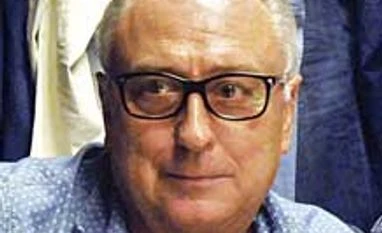 "We can record 60-70 per cent growth in the Indian business: Claudio Grotto")


 Connect with us on WhatsApp