The domestic markets fell for the fourth straight day on Friday as rising US bond yields dampened sentiment towards risky assets such as emerging markets. The Sensex ended 435 points, or 0.85 per cent, lower at 50,890, while the Nifty50 index gave up the 15,000 level, dropping 137 points, or 0.91 per cent, to 14,982. The Sensex has shed 2.4 per cent in the past four sessions.
The 10-year US Treasury yield has jumped from 1.07 per cent at the start of the month to 1.30 per cent as investors assess the full impact of Joe Biden’s $1.9-trillion stimulus plan. The developed world’s bond yields and emerging markets’ equities are inversely correlated. Any spike in yields in the US often causes turbulence in the financial markets of the developing world.
Overseas investor flows were seen tapering off in the past few sessions. On Friday, foreign portfolio investors (FPIs) bought shares worth Rs 119 crore, while domestic investors sold shares worth Rs 1,175 crore.
“For an investor, it is imperative to know that rising bond yields are a huge determinant for equity valuations,” said Nirali Shah, head of equity research at Samco Securities.
“The taper tantrum of 2013 is one example which showed the relation between the two, wherein a sudden rise in bond yields caused markets to slide as mass bond selling was witnessed. Equity markets tend to outperform when yields soften, and when yields rise, they tend to falter,” Shah added.
Another factor weighing on investor sentiment is the rise in crude oil prices. Brent crude touched $65 a barrel this week before retreating to $63. It is still up 80 per cent since November and 25 per cent in a month.
“The rise in oil prices and the reverberations in the local markets, the higher inflation expectations, the fast-rising bond yields in the US, and the unsatisfactory employment conditions are some of the factors that have kept the markets on tenterhooks in the last few days. Also, there is an acceptance that a full recovery in the US may be only in 2022. The expectations of further fiscal stimulus have not been realised as yet,” said Joseph Thomas, head of research at Emkay Wealth Management.
The top Sensex loser was ONGC, which fell 5.1 per cent. State Bank of India, Axis Bank, and ICICI Bank each fell more than 3 per cent. All these stocks have gained sharply this month and, experts said, could correct more if the market conditions remain weak.
The Sensex ended the week with a loss of 1.3 per cent. This was the first weekly setback for the index in three weeks.
Even after the latest pullback, the Sensex is still up 10 per cent this month. The index valuation has risen to 22 times over its estimated earnings for FY23. This is above its long-term trading average of 16 times.

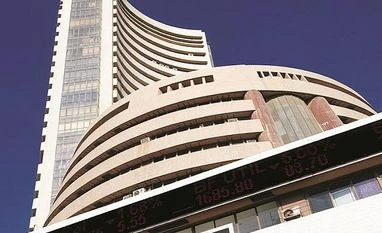 "Bulls take a break: Sensex, Nifty fall for fourth day amid yield surge")












 Connect with us on WhatsApp