The Central Bureau of Investigation (CBI) is probing if any government officials were involved in misusing stock exchange platforms to benefit from the long-term capital gains tax (LTCG) exemption.
According to sources, CBI officials visited the headquarters of the Securities and Exchange Board of India (Sebi) in Mumbai to get relevant files pertaining to LTCG cases probed by the markets regulator.
This comes at a time the income tax (I-T) department is probing the entities which had allegedly misused capital gains provisions to evade taxes worth Rs 34,000 crore.
Gains made from the sale of shares held for more than a year are exempt from taxes.
According to sources, the CBI is trying to gather information if any government official made any undue gains by being the end-beneficiaries. “We have collected some relevant documents along with transaction trails with regard to the companies that appeared to have misused the trading platforms to evade taxes. We suspect that there are high chances of government officials being involved, especially as end-beneficiaries,” a CBI source said. “The undue advantage could be hidden and may have been done in a multi-layered arrangement, which needs to be identified.”
Sources said the central agency was in the process of vetting the documents and would accordingly take a call on registering a case against the suspected beneficiaries.
The issue is critical as a few instances of abuse have been reported despite several measures taken by the regulator and the bourses. The intensity of the matter has raised the probability of revocation of capital gains benefits.
So far, investigations by the Sebi revealed that 11,000 entities have bought shares of more than Rs 5 lakh each in the past three years in listed firms that might not have any business operations. The Sebi has identified these entities using data analytics and trading and surveillance data.
The probe suggests that such deals were aimed at evading capital gains tax by showing the source of income as legitimate from stock markets. The so-called losses, actually bogus losses, are showed in the books to offset the same against capital gains.
The modus operandi is thus: Operators advise beneficiaries to invest in the listed companies, which allot shares on preferential basis at a nominal rate. These shares are under a lock-in period for a year.
Subsequently, these operators manipulate the scrip. They also rope in entities to provide the “last traded price” to book LTCG and also to buy shares at a higher price. The beneficiary pays cash to the operator through a multi-layered structure from the gains made by evading taxes.
The markets regulator had reservations that the cases were about tax evasion, which do not fall under its purview. However, if share prices were manipulated, it could proceed under section 11B of the Sebi Act, which allows it to impound the sale proceeds.
It also pointed out that the evidence provided by the tax department was not sufficient to establish connections between promoters of companies, beneficiaries and the “last traded price” and “exit” providers.
TAX TRUTH

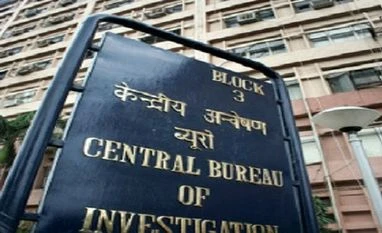 "Capital gains tax evasion under CBI scanner")












 Connect with us on WhatsApp