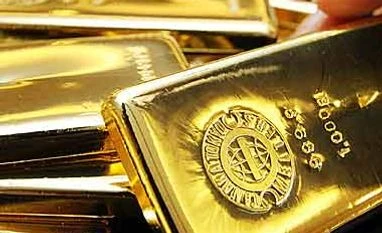
Gold demand in 2015 to go up by 11% to 936 tonnes
A study by Thomson Reuters correlates crop yield and gold demand
BS Reporter Mumbai With the rupee price of gold likely to be approximately 15 per cent lower in 2015 than in 2014, demand is forecast to increase by 11 per cent.
The prediction was made by Thomson Reuters in its latest report on the monsoon and its impact on gold demand in India.The report uses the combined expertise of Lanworth and GFMS analysts, Thomson Reuters group companies for research in farm produce and precious metals, respectively.
Analysts studied monsoon activity, crop production and yields, and local expenditure on gold, and examined the relationship among each of these variables to come to conclusion that demand would rise by 11 per cent in 2015.
According to GFMS, domestic gold demand in 2014 was 843 tonnes, which means demand this year could go up to 936 tonnes. India imported 495 tonnes of gold between January and July. Considering average 70-75 tonnes of scrap gold supply in a year, the country may have to import around 370-380 tonnes of gold in the remaining five months of 2015.
The report has taken crop yield to measure the relationship between the monsoon and gold demand in the country as it factors in acreage and production rather than rainfall. Monsoon rainfall as a variable can prove faulty when trying to establish a relationship through statistical analysis. Instead, crop yield is a better measure of the relationship between the monsoon and gold demand in the country as it factors in acreage and production, which are both dependent on expectations for monsoon conditions.
The correlation between crop yield and expenditure on gold is positive. The correlation was 0.84 for yield from grain versus expenditure on gold for the period 1985-2013. For pulses and oil seeds and gold expenditure, the correlation was 0.78. The impact of the monsoon on crop yields has further resulted in showing a correlation of 0.97 between expenditure on gold and crop revenue.
“The minimum support price is another factor that leads to increased acreage and higher revenue, even during times of lower crop production. Higher revenues translate to higher disposable incomes and savings among farmers, which can result in higher consumption of gold,” said the report.
The timing of the monsoon also plays a role, as above average rainfall at the start of the season can boost sentiment.
Farmers are likely to spend more on agricultural activity during June, which eventually results in higher collateralising of gold for crop loans during the sowing period, according to the report.

 "Gold demand in 2015 to go up by 11% to 936 tonnes")


 Connect with us on WhatsApp