Shares of Hind Rectifiers hit a 52-week high of Rs 244.35, surging 13 per cent on the BSE in Wednesday’s intra-day trade. The stock has zoomed 35 per cent in past three trading days, and in past one month has rallied 47 per cent, as compared to 3 per cent fall recorded by the S&P BSE Sensex.
The stock of electronic components surpassed its previous high of Rs 232.25 touched on September 3, 2021. It had hit a record high of Rs 270 on February 6, 2020.
At 11:00 am; Hind Rectifiers was trading 8 per cent higher at Rs 234 backed by heavy volumes. In comparison, the S&P BSE Sensex was up 0.58 per cent at 56,645. The trading volumes at the counter more-than-doubled with a combined 479,364 equity shares changing hands on the NSE and BSE.
Hind Rectifiers manufactures power electronic equipment such as traction transformers for locomotives and electrical multiple units, converters, rectifiers, power semiconductors and railway transportation equipment such as switch board cabinets, regulated battery chargers, and inverters.
For the first half (April-September) of the current financial year 2021-22 (H1FY22), the company had reported a strong 52 per cent year on year (YoY) growth in net profit at Rs 4.92 crore, on back of stable operational performance. The company’s revenue from operations grew 18 per cent to Rs 175.57 crore in H1FY22, from Rs 148.53 crore in H1FY21. Earnings before interest, taxes, depreciation, and amortization (ebitda) margin stable at 7.23 per cent during the period.
The government has aggressively targeted increased electric locomotive production and electrification of routes and modernization of Railways facilities. All existing production units of Indian Railways have been asked to manufacture electric locos instead of diesel due to increased demands of Railways. The coach production from various production units are also expected to increase during the current year to compensate the production loss of the last year due to COVID 19, the company said in the fiscal 2020-21 (FY21) annual report.
Read this article for free
Register to continue reading premium journalism and analysis from Business Standard.

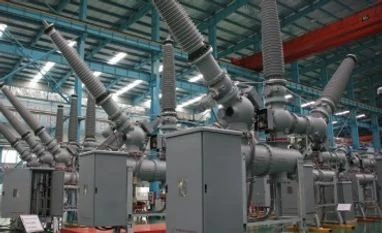 "Hind Rectifiers surges 13%, hits 52-week high; stock up 35% in 3 days")












 Connect with us on WhatsApp