Jeera price may gain by 10% on quality issue, export demand
High demand from stockists has pushed up jeera prices by 10% so far this month
BS Reporter Ahmedabad Jeera prices are expected to move up as the supply of quality produce is low. Traders estimate prices will rise 10 per cent this month to touch Rs 160-170 per kg.
High demand from stockists has pushed up jeera prices by 10 per cent so far this month. Muted export demand has capped prices but traders expect it to revive soon.
There was fear that unseasonal rain in March had damaged the jeera crop. Prices are ruling at Rs 145-153 per kg bag at the Unjha mandi in Gujarat, one of the largest jeera trading hubs in India. Prices at the beginning of the month were around Rs 120-130 per kg bag.
“Jeera prices moved up almost 10 per cent in 10-12 days on strong demand from stockists. Prices jumped after the damage to the standing jeera crop from unseasonal rain and hailstorms. We see the market remaining firm in the coming days and prices may go beyond Rs 160-170 per kg,” said Ajay Kumar Kedia of Kedia Commodity Comtrade Private Limited.
Daily arrivals are 35,000 bags (a bag of 40 kg) at Unjha. Arrivals have improved in the past week but the quality is dull. If export demand starts — it usually picks up from April — it will push up jeera prices further.
An Unjha-based trader said, “Arrival will increase, but the issue with the current supply is quality. Stockists are buying mostly to fulfill upcoming seasonal demand. Export demand has not yet begun, but enquiries have already started.”
Historically the jeera futures market has witnessed volatility at this time. “Participation at the time of the new season has made jeera futures volatile over the last couple of years. Prediction of crop size and weather news increases participation, which makes the market unstable,” said Kishore Nanre, associate director and head of commodity and currency at Motilal Oswal.
On the National Commodity and Derivatives Exchange (NCDEX) jeera was traded at Rs 139.50 per kg in February and at Rs 147 on March 15, a gain of 5.37 per cent, month on month. Similarly in February 2015, it was quoted at Rs 148 and reached Rs 180 a kg in April.
According to the department of commerce, the export of jeera during April-December 2015 was 64,430 tonnes, which was lower than in the same period of the previous year. Jeera exports were 155,000 tonnes in 2014-15.
“Export demand is nominal but we are hopeful that it will come soon as the price in the domestic market is low,” said Girish Brahmbhatt, director of the Indian Spices and Foodstuff Exporters’ Association.
A fall in international stocks and decline in exports from Turkey and Syria are likely to favour Indian exports. A falling rupee is also beneficial. Once exports resume, the impact of the falling rupee will start affecting the price movement strongly.

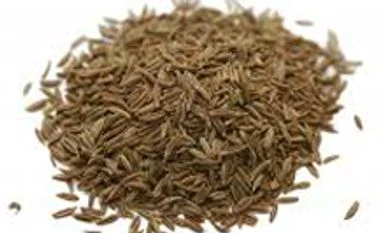 "Jeera price may gain by 10% on quality issue, export demand")


 Connect with us on WhatsApp