Normally in active dialogue with 10-20 Indian cos for listings: Alastair Walmsley
Q&A with Head of Primary Markets at the London Stock Exchange Group
Sachin P Mampatta Mumbai Alastair Walmsley, Head of Primary Markets at the London Stock Exchange Group, was in India recently. He spoke to
Sachin P Mampatta on the impending regulatory changes that would allow Indian companies to raise capital abroad without a domestic listing, and the outlook for Indian companies on the LSE. Excerpts:
What do you make of the recent government decision to allow foreign listing without listing in India first? There is a real benefit for Indian companies because it puts Indian business on a level playing field with most other countries around the world, where companies have the flexibility to choose the sources of finance that makes the most sense for their business; whether it is the instrument or market choice that they want to use. This step, we feel, actually takes out a potential impediment to Indian businesses listing, and gives Indian businesses more choice.
The Sahoo committee is also said to have recommended a broader framework for depository receipts. How do you view the same? I think the Sahoo committee recommendations will enable businesses to compete on a level playing-field. We will await the finalisation of those recommendations to understand the timeframe and whether there will be any restrictions based on businesses in taking advantage of this route or what these restrictions may be.
How active is the GDR market for Indian companies on the LSE? The GDR route is well understood by Indian companies, as it is by many companies from around the world. It’s an extremely liquid market, there is a very significant degree of institutional support. In Indian depository receipts alone, we had over $7 billion of trading in 2013. So it provides companies with some access to capital and the ability to keep funding themselves from that market makes it an attractive route.
Which are some of the typical sectors that have found traction on the LSE? Consumer facing companies are proving very successful, branded businesses. Historically and as an ongoing business, London is particularly well-known for financing the extractive industries. I think energy companies, and indeed metals and mining companies. There are also some industries where the Indian domestic market is less experienced. Things like renewable energy for example….infrastructure funds.
We had a 105 IPOs in our market last year, raising almost $20 billion. Almost a third of those listings were in the technology sector. They have historically been smaller companies but there is a real drive in the UK market to fund growth businesses and provide attractive listing options for those companies.
How many companies would you be in talks with for potential listings? At any given time, we would normally expect to have active dialogue with 10-20 companies in India.

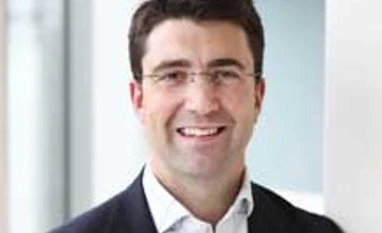 "Normally in active dialogue with 10-20 Indian cos for listings: Alastair Walmsley")


 Connect with us on WhatsApp