We're open to more acquisitions after Morgan Stanley MF but that's not our core strategy: Milind Barve
Interview with Managing Director, HDFC Mutual Fund
Chandan Kishore Kant Mumbai
HDFC Mutual Fund, India’s largest fund house, plans to increase its reach across the country. After maintaining a status quo approach for the past few years, the fund house aims to open 45 branches in the next two years,
Milind Barve, managing director of HDFC Mutual Fund, tells Chandan Kishore Kant. Edited excerpts:
HDFC Mutual Fund had not been showing much interest in acquisitions. How has the strategy suddenly changed? I do not think we had any stated position about not looking at acquisitions. In fact, we did participate in the Fidelity offering but it did not come through. We did not go out looking for an opportunity but when one did present itself, we reacted quickly.
Did you hurry through the acquisition process of Morgan Stanley Mutual Fund? That’s not a matter of only our choice; it is as much a seller’s choice, too. If the acquisition process is lengthy, it could be detrimental to both buyer and seller. There is a possibility of the seller’s AUM (assets under management) declining in the period where the buyer is not known.
Will acquisitions be a part of your strategy to grow? We are open to more acquisitions but it is not our core strategy for growth. However, we will continue to be open to opportunities as they come. We want to grow our AUM in a sustainable manner. In the next two years, we want to strengthen and expand our reach in smaller towns and cities. This will take our branches from the current 130 to 175 across India. At the same time, we have adopted 12 districts according to the Amfi’s (Association of Mutual Funds in India) new initiative.
There are allegations that top fund houses influence regulations to a large extent and rules favour them. What is your response? There is a very misplaced feeling that large fund houses can influence any regulatory policy decision. On the contrary, in the past two years, directorship in Amfi has been broad-based, having representation from large and small fund houses.
The board meetings are conducted in a democratic manner, awaiting every member’s views and decisions are taken only if there is a broad consensus. Minutes of the board meetings are also circulated to all 44 members later. There is also a Sebi (Securities and Exchange Board of India) advisory committee, which has representatives from both large and small houses. Finally, Sebi receives market feedback and takes its own informed decision.
Many of your peer group companies are leveraging on social media websites to attract the younger generation who will be joining the work force soon. What steps have you taken? Not yet. But we are working on it.
Aren’t you late, given the fast penetration of broadband internet, especially the latest explosion of smart phones? There is no need to be defensive on that. Our business is fairly regulated and we have to examine the pros and cons of the product and risk factors, among other things. Social media can be used to generate awareness but nothing beyond that. The main reason we have stayed away from it is because there could be regulatory and compliance issues.

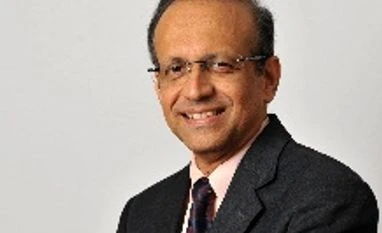 "We're open to more acquisitions after Morgan Stanley MF but that's not our core strategy: Milind Barve")


