
Oil mixed over US production fall, possible Saudi output rise
Benchmark Brent crude gained 13 cents, or 0.2%, to $63.48 a barrel at 1442 GMT, while U.S. West Texas Intermediate (WTI) crude fell 18 cents, or 0.3%, to $59.87 a barrel
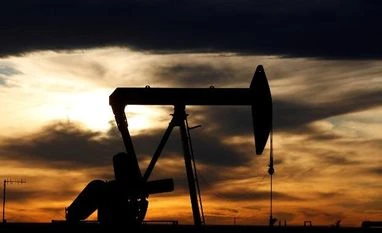 "Oil mixed over US production fall, possible Saudi output rise")
WebinarsNew
Deep DiveNew
Explore Business Standard
Benchmark Brent crude gained 13 cents, or 0.2%, to $63.48 a barrel at 1442 GMT, while U.S. West Texas Intermediate (WTI) crude fell 18 cents, or 0.3%, to $59.87 a barrel
Oil prices were mixed on Wednesday, underpinned by a major supply disruption in the southern United States this week where a winter storm hit Texas, but pressured by reports that Saudi Arabia plans to increase output in the coming months.
Benchmark Brent crude gained 13 cents, or 0.2%, to $63.48 a barrel at 1442 GMT, while U.S. West Texas Intermediate (WTI) crude fell 18 cents, or 0.3%, to $59.87 a barrel.
Oil has been supported in the past few weeks by OPEC+ supply curbs, Saudi Arabia's additional cuts and hopes of a demand rebound due to COVID-19 vaccinations.
Severe cold weather in Texas, the largest U.S. oil producing state, has also boosted prices in recent days.
The U.S. deep freeze is expected to disrupt production for several days if not weeks, industry experts said, as wellheads have frozen and refineries have been shut.
Brent and WTI rose more than $1 earlier in the day, hitting their highest level since January 2020.
However, prices lost earlier gains after the Wall Street Journal reported that Saudi Arabia is expected to announce plans to raise output when OPEC and allied oil producers meet next month.
But Saudi Arabian Energy Minister Prince Abdulaziz bin Salman said on Wednesday that it was too early to declare victory against the COVID-19 virus and that oil producers must remain "extremely cautious".
"We are in a much better place than we were a year ago, but I must warn, once again, against complacency. The uncertainty is very high, and we have to be extremely cautious," he told an energy industry event.
The stronger price environment has put more attention on OPEC+, which groups OPEC, Russia and allied producers. It meets to set policy on March 4.
OPEC+ oil producers are likely to ease curbs on supply after April given a recovery in prices, OPEC+ sources told Reuters.
"We believe that OPEC+ will likely take a more conservative approach, and ease output more modestly," said ING analyst Warren Patterson.
U.S. oil inventory data from the American Petroleum Institute and the U.S. Energy Information Administration (EIA) will be released on Wednesday and Thursday respectively, a one-day delay for each after this week's U.S. holiday.
Analysts polled by Reuters estimated, on average, that crude stocks fell 2.2 million barrels in the week to Feb. 12.
(Only the headline and picture of this report may have been reworked by the Business Standard staff; the rest of the content is auto-generated from a syndicated feed.)
First Published: Feb 17 2021 | 9:00 PM IST


 Connect with us on WhatsApp