The Reserve Bank of India (RBI) has relaxed its norms on what banks can do with their excess dollars in the currency market, according to sources.
The RBI had already allowed banks to invest their excess dollars in foreign currency bonds, but a rule in July 2016 had stated that a bank’s investment in unlisted securities should not be over 10 per cent of their investment in non-statutory liquidity ratio (SLR) bonds, or corporate bonds.
Now, the foreign currency bonds, even if issued by sovereigns, are unlisted for this purpose in India, and banks’ investment in them was to remain within this 10 per cent cap. Sources say about two weeks back, some banks crossed this 10 per cent mark, inviting RBI caution. In response, these banks lobbied to the RBI to let them cross the limit as the sovereign securities such as US bonds are risk free. The banks had cited billions of dollars in losses if they had to unwind their transactions, and had said such investment flexibility should be given to them considering the need to manage huge dollar inflow coming because of the initial public offerings (IPO) lined up.
The RBI, reported by Bloomberg first and confirmed by banking sources to Business Standard, has now allowed the banks to keep sovereign bonds away from this 10 per cent limit.
Banks, at the end of their trading day, used to park their excess dollars in overnight or even dated US treasury securities. The RBI’s large exposure framework (LEF), which kicked in from April 1 this year, disturbed this arrangement, setting hard limits on what banks can do with their foreign currency assets. There was no bar in parking funds in foreign sovereign assets, as long as it was within the limits. RBI also prohibited banks from swapping their rupee liquidity for dollars and repatriate them back to their foreign offices to invest in US treasuries.
Banking sources say the swap arrangement would likely be allowed again.
This will keep the forward rates under check, said foreign exchange and bond expert Paresh Nayar.
“Rupee liquidity is abundant, and if banks can swap, coupled with the relaxed investment limit, they can park their money in treasury bills,” said Nayar.
This will drain some of the spot dollar liquidity and put that on a future date, bringing down the forwards rate.
The forward rates for one month and three months had spiked at the end of April, rising as high as 16 per cent, as the RBI’s LEF curbs set in. However, with the ease in restrictions now, there won’t be any untoward movement in the forward rates, which would also help the domestic currency to stabilise, currency experts said.

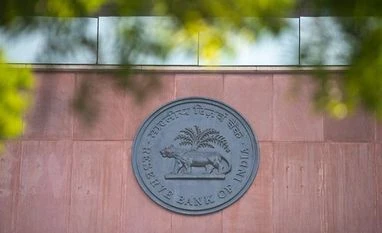 "RBI relaxes norms on foreign sovereign bond investment")












 Connect with us on WhatsApp