Stock markets may correct by 5% in first half of this year: Saumil Shah
Interview with Managing director, head- equity sales trading, Bank of America Merrill Lynch
Sneha Padiyath The markets have run up to new highs, but data are yet to reflect the mood.
Saumil Shah, managing director, head - equity sales trading, Bank of America Merrill Lynch, says the economy is at the start of the recovery cycle, causing an imbalance between market valuations and the ground reality. In an interview with
Sneha Padiyath, Shah also talks about the trifecta of three R's - Recovery, Rates and Reforms - that makes India an attractive investment destination. Excerpts:
There seems to be some sort of disconnect between the markets' upmove and the underlying fundamentals. Will this disconnect widen or narrow going ahead, and why? Typically, at the beginning of the reversal of a cycle, such a disconnect can be there. The market currently is discounting the near-term pain period and looking ahead to the future when reforms and recovery will take shape. When reforms and recovery happen, this disconnect will come down.
What is your view on valuations? Is there a possibility of a correction in the market, if so by how much? Valuations are currently getting expensive both in historical terms as well as regional terms. However, they are still away from worrying levels seen in the previous bull market. Our view is that we can remain in a range-bound market in the first half of the year and may see around 5 per cent correction. However, for the full year we remain bullish with our year-end Sensex target of 33,000.
The RBI has cut rates twice this year. By when do you see this reflecting in the earnings and GDP growth numbers? While the RBI has cut rates twice this year, lending rates have not come off materially. We expect lending rates to be cut from April onwards as the slack season sets in. Typically, it takes 6 to 9 months for the rate cuts to trickle down in the economy.
Considering global risk-off behaviour and concerns of global liquidity tightening brought on by possible rate hikes in the US, would India see lower participation by foreign investors? Flows will continue to chase growth and consequent market returns. India will continue to attract flows till the time the promise of expected growth is being met. What makes India particularly attractive to investors is the trifecta of three R's - Recovery, Rates and Reforms. However, given current valuations, India will need to ensure that reforms continue so that FIIs are not disappointed. Investors will also look for a pick-up in growth in the economy and earnings momentum.
Has the Budget session disappointed investors due to the lack of the promised big-bang reforms? We think the impact of the Budget on the markets has been waning over the years since a lot of reforms happen outside the Budget. The stock market was pinning a lot of hope on a stimulus from the Budget without letting the fiscal situation deteriorate. While the falling oil prices and consequent tax increases had increased his leeway, the sharp increase in share of taxes to states due to the recommendations of the Finance Commission had reduced the finance minister's elbow room. Under these circumstances, he has done a great juggling act by achieving these twin conflicting objectives. We support his decision to tweak the path of fiscal deficit reduction to 3 per cent of GDP over the next three years rather than two. This has enabled him to spend additional money on infrastructure. He has also focused on additional financing measures for the sector. This could likely kick-start the capex cycle.
What are the key immediate concerns? Domestically, we have seen the markets rally sharply but earnings and economic recovery are lagging. So, the risk may come if the market loses patience with the delay in recovery. This can be accentuated by the huge overweight position of foreign investors. FII ownership of the Indian markets is at an all-time high. Additionally, supply of paper could be another reason for the near-term weakness in the Indian markets. However, we believe the biggest risk to the market is global with a likely rise in US interest rates accompanied by slow growth in Europe and China.

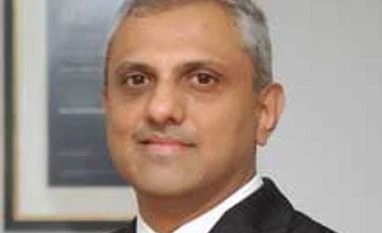 "Stock markets may correct by 5% in first half of this year: Saumil Shah")


 Connect with us on WhatsApp