Vedanta, United Spirits: Why are firms opting to delist in the current mkt?

If the trading volumes shrink and the market is failing to reflect the true value of the counter in the price, the listed entity may find it to be very difficult to raise equity capital, analysts say.

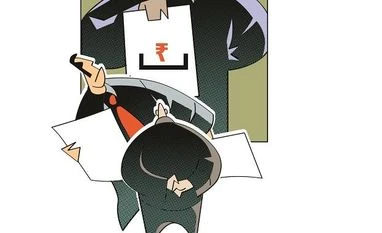
Delisting, which can be voluntary or forced, renders stocks unavailable for trading at the bourses. | Illustration by Binay Sinha
Nikita Vashisht New Delhi
4 min read Last Updated : May 20 2020 | 1:51 PM IST
Delisting seems to be the flavour of the season. After Vedanta, reports suggest that United Spirits and Adani Power may delist from the exchanges. On May 18, the board of Vedanta approved delisting of the shares at a floor price of Rs 87.25 per share. However, the final offer price for the delisting proposal will be determined in accordance with the reverse book building mechanism set out in the delisting regulations, it said.

UK-based Diageo and home-grown Adani Group, according to reports, have also initiated talks with investment bankers and consultants to initiate delisting from bourses. In case of United Spirits, the investment bankers will give the proposal, listing out benefits, timing, and pricing of the offer to Diageo management. “If the global management approves, the proposal will be sent to the board. Only after board approval will it will go to the India board of United Spirits for approval," reports suggested. At the end of March 2020, around 43.24 per cent stake was held by public shareholders.

ALSO READ: Vedanta board okays delisting plan; floor price per share unfair, says IiAS

As for Adani Power, reports suggest the promoters are planning to take back the entire public shareholding, which currently stands at 25 per cent, via reverse book building process.

Simply put, delisting is the removal of a listed stock from a stock exchange. Delisting, which can be voluntary or forced, renders stocks unavailable for trading at the bourses.

So why are firms looking to delist?

If the trading volumes shrink and the market is failing to reflect the true value of the counter in the price, the listed entity may find it to be very difficult to raise equity capital, analysts say. Besides, potential stake purchase proposal from private equity (PE) firms, or cumbersome regulatory requirements could push firms towards voluntary delisting.

“There could be an understanding at the promoter level that the market price of the stock is not reflective of the firm’s true value. This may send wrong signals to potential investors, or even bankers, making it tough for the firm to raise funds,” explains Deven Choksey, managing director of KR Choksey Investment Managers.

Talking about Vedanta and Adani Power, Choksey says the underlying value of their assets is not being captured by the market prices. “Vedanta owns significant stake in marquee businesses such as aluminium, oil and zinc (Hindustan Zinc), which generate a lot of cash flow. At some point, the government could sell its stake in the firm which could be picked up by Vedanta,” he says. That apart, Choksey believes since global markets are flooded with funds, there is a possibility that private equity investors have proposed to buy stake in the firm at a value higher than the secondary market.

So far in calendar year 2020, share prices of Vedanta, United Spirits, and Adani Power have crashed 41 per cent, 7.3 per cent, and 43 per cent, respectively till Tuesday. In comparison, the benchmark S&P BSE Sensex has skid 27 per cent during the period.

ALSO READ: Johnnie Walker maker Diageo exploring options to delist in India
 
Trading volume, on the other hand, says a different story. On YTD basis, trading volumes of these three stocks have seen a massive jump on the BSE. While traded volume for United Spirits has jumped 106 per cent during this period, Vedanta and Adani Power have seen 279 per cent and 904 per cent jump, ACE Equity data show.

Deepak Jasani, head of retail researd at HDFC Securities, while explaining this divergence says that promoters are opting to delist, and not buyback shares, right now is primarily because of the cheap value at which the shares are available. "Buyback works only for a couple of months, but if the market scenario looks weak for a considerably longer duration, it makes sense to delist," he says.

He adds: Once delisted, the fixed assets and liquid assets will be under promoters' control and they would not be bound by obligations set by Sebi for any business decision in future.

“The current trend of delisting is a classic case of a bear market. Promoter groups are eyeing public stake in their firms as stock prices have fallen tremendously from their peaks. Add to it depreciation of rupee, by about 15 per cent YoY, the promoters may find great value in dollar terms in case they sell their stake to global PE players,” says G Chokkalingam, founder and managing director at Equinomics Research. Though he expects more delisting and buybacks going ahead, such moves should not be treated as a major negative and the promoters may re-enter markets when stability returns.

One subscription. Two world-class reads.

Already subscribed? Log in

Subscribe to read the full story →
*Subscribe to Business Standard digital and get complimentary access to The New York Times

Smart Quarterly

₹900

3 Months

₹300/Month

SAVE 25%

Smart Essential

₹2,700

1 Year

₹225/Month

SAVE 46%
*Complimentary New York Times access for the 2nd year will be given after 12 months

Super Saver

₹3,900

2 Years

₹162/Month

Subscribe

Renews automatically, cancel anytime

Here’s what’s included in our digital subscription plans

Exclusive premium stories online

  • Over 30 premium stories daily, handpicked by our editors

Complimentary Access to The New York Times

  • News, Games, Cooking, Audio, Wirecutter & The Athletic

Business Standard Epaper

  • Digital replica of our daily newspaper — with options to read, save, and share

Curated Newsletters

  • Insights on markets, finance, politics, tech, and more delivered to your inbox

Market Analysis & Investment Insights

  • In-depth market analysis & insights with access to The Smart Investor

Archives

  • Repository of articles and publications dating back to 1997

Ad-free Reading

  • Uninterrupted reading experience with no advertisements

Seamless Access Across All Devices

  • Access Business Standard across devices — mobile, tablet, or PC, via web or app

Topics :DelistingDelisting of sharesMarkets Sensex NiftyVedanta United Spirits Adani PowerSebi

Next Story





