Warm weather worries wheat farmers

Mustard, another rabi crop, will benefit from warmer days
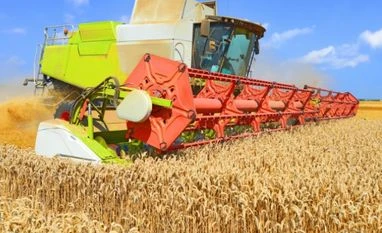
wheat, grain, harvest, crop, farmer, field
Photo: Shutterstock
Sanjeeb Mukherjee New Delhi
Last Updated : Feb 23 2017 | 12:52 AM IST
A sudden rise in temperature in north India, particularly in wheat-growing Punjab, Haryana and western Uttar Pradesh, is worrying farmers who planted their crop late.

A fall in temperature in the next few days could improve the situation considerably, but a sharp rise in day temperature during the grain filling stage could affect yields. 

“If the warm weather persists for another fortnight it can cause problems for the standing wheat crop,” said K K Singh, director of the agromet division in the India Meteorological Department (IMD). 

He said if the temperature rose faster than expected in Punjab, Haryana and western Uttar Pradesh the standing crop in the pod-filling stage could yield less. “The rise in temperature is not damaging yet. But if the situation continues there might a problem,” Singh added. Rough estimates show around 150 kilograms of wheat grain is produced per day in each hectare of land, but if temperatures rise faster than expected then this process is hastened which leads to loss of yield.

Mustard, another important rabi crop, will benefit from warmer days. The rise in temperature will help absorb the moisture in the harvested crop and increase its oil content.

“The warmth will have no impact on the standing mustard crop, which is almost ready to harvest,” said Vivek Puri, managing director, Puri Oil Mills. He added mustard oil prices had started falling with the arrival of the new crop.

Wheat farmers in west  Uttar Pradesh could face the brunt of the warm weather because most planted their crop late, around December, on four million hectares.

 “The maximum temperature in February for the ideal wheat crop is 25 degrees Celsius, but in the last few days the temperature reached 29 degrees,” said a scientist working with a state-run research agency.

Mahesh Palawat, chief meteorologist at private weather forecasting firm Skymet, said maximum temperatures had started declining in the plains. 

Till February 25 the temperature would not rise because of northerly winds, but after that it could start climbing, he added.

The IMD in its maiden winter forecast issued last November had said December-February would have fewer cold waves. 

Rajesh Agarwal, MD of Insecticides India Ltd, adds another dimension to it. He said to cope with climate change and its impact on agriculture and food production, India will need to act at the global, regional, national and local levels.

graph

One subscription. Two world-class reads.

Already subscribed? Log in

Subscribe to read the full story →
*Subscribe to Business Standard digital and get complimentary access to The New York Times

Smart Quarterly

₹900

3 Months

₹300/Month

SAVE 25%

Smart Essential

₹2,700

1 Year

₹225/Month

SAVE 46%
*Complimentary New York Times access for the 2nd year will be given after 12 months

Super Saver

₹3,900

2 Years

₹162/Month

Subscribe

Renews automatically, cancel anytime

Here’s what’s included in our digital subscription plans

Exclusive premium stories online

  • Over 30 premium stories daily, handpicked by our editors

Complimentary Access to The New York Times

  • News, Games, Cooking, Audio, Wirecutter & The Athletic

Business Standard Epaper

  • Digital replica of our daily newspaper — with options to read, save, and share

Curated Newsletters

  • Insights on markets, finance, politics, tech, and more delivered to your inbox

Market Analysis & Investment Insights

  • In-depth market analysis & insights with access to The Smart Investor

Archives

  • Repository of articles and publications dating back to 1997

Ad-free Reading

  • Uninterrupted reading experience with no advertisements

Seamless Access Across All Devices

  • Access Business Standard across devices — mobile, tablet, or PC, via web or app

Next Story



