3 min read Last Updated : Sep 21 2022 | 10:21 PM IST
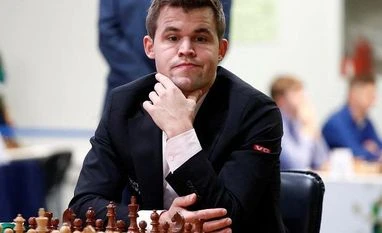
It is unusual for a chess grandmaster (GM) to be offered $1 million to play in the nude. But this is one of the more unusual outcomes of an ongoing scandal roiling one of the world’s most popular indoor activities. A few days ago, Hans Moke Niemann, a teenaged American GM, beat reigning world champion Magnus Carlsen in a high-voltage encounter at the Sinquefield Cup in Saint Louis. Carlsen played an opening system he has adopted only once before in 2018. So it ought to have been a surprise. But Niemann (who is ranked 49th in the world) was well-prepared and found great responses. In a post-game interview, Niemann said it was “a miracle” he had studied that specific line that morning.
The fallout from this upset was stunning. Carlsen withdrew the next day from the event, with a cryptic social media post featuring football coach Jose Mourinho, saying “If I speak, I will be in big trouble”. In his stellar career, Carlsen had never withdrawn from an event. He refused to clarify his reasons. Play at St Louis from the next day featured stringent physical checks on players and delayed streaming of games to prevent cheating with the help of remote-located accomplices. A day later, Chess.com, which is a sponsor of major events, and currently in merger negotiations with Carlsen’s listed company, Play Magnus Group, banned Niemann from events on the platform. Then, Carlsen stirred the pot further in the ongoing Julius Baer Generation Cup, by sensationally resigning a game on the very second move against Niemann, again without any explanation. Chess analysis is driven by computers crunching huge game databases. Programs running on smartphones beat world champions. Preventing cheating is, therefore, a major concern in competition.
Carlsen obviously believes Niemann was cheating. He may have suspected Niemann of using computer aid via a remotely-located accomplice, or hacking into Carlsen’s computer, or maybe bribing one of Carlsen’s team. Presumably, Carlsen has no means of proving his suspicions. So he’s not going public. But his refusal to play Niemann is a very pointed statement. Niemann has twice served six-month bans on Chess.com for cheating. But while he admits this, he also claims he hasn’t used unfair means since he was 16. However, it has been alleged Niemann deployed remote-controlled sex toys to receive hints from an accomplice. Stripchat, a porn site with 400 million regular users, offered Niemann a million-dollar fee to strip and play.
Beyond the hilarity, there are broader implications. One is that it is hard for any professional sportsperson to maintain composure while playing an opponent he believes is cheating. Balanced against that, it is also difficult for a sportsperson to maintain composure while playing under a cloud of accusations. There are also obvious conflicts of interest inherent in Carlsen’s presence as a competitor when he has commercial interests entwined with large platforms. And Carlsen’s stature as world champion and his influence enable him to “punish” Niemann on the basis of suspicion alone. Above and beyond all this, chess has to deal with rampant cheating, especially on online platforms. The game has exploded in popularity during lockdowns. There are over a million games played online every day and there is a fair amount of prize money available in online events. Chess has to find the means to clean up the game, even as it moves beyond the current drama.